.png)


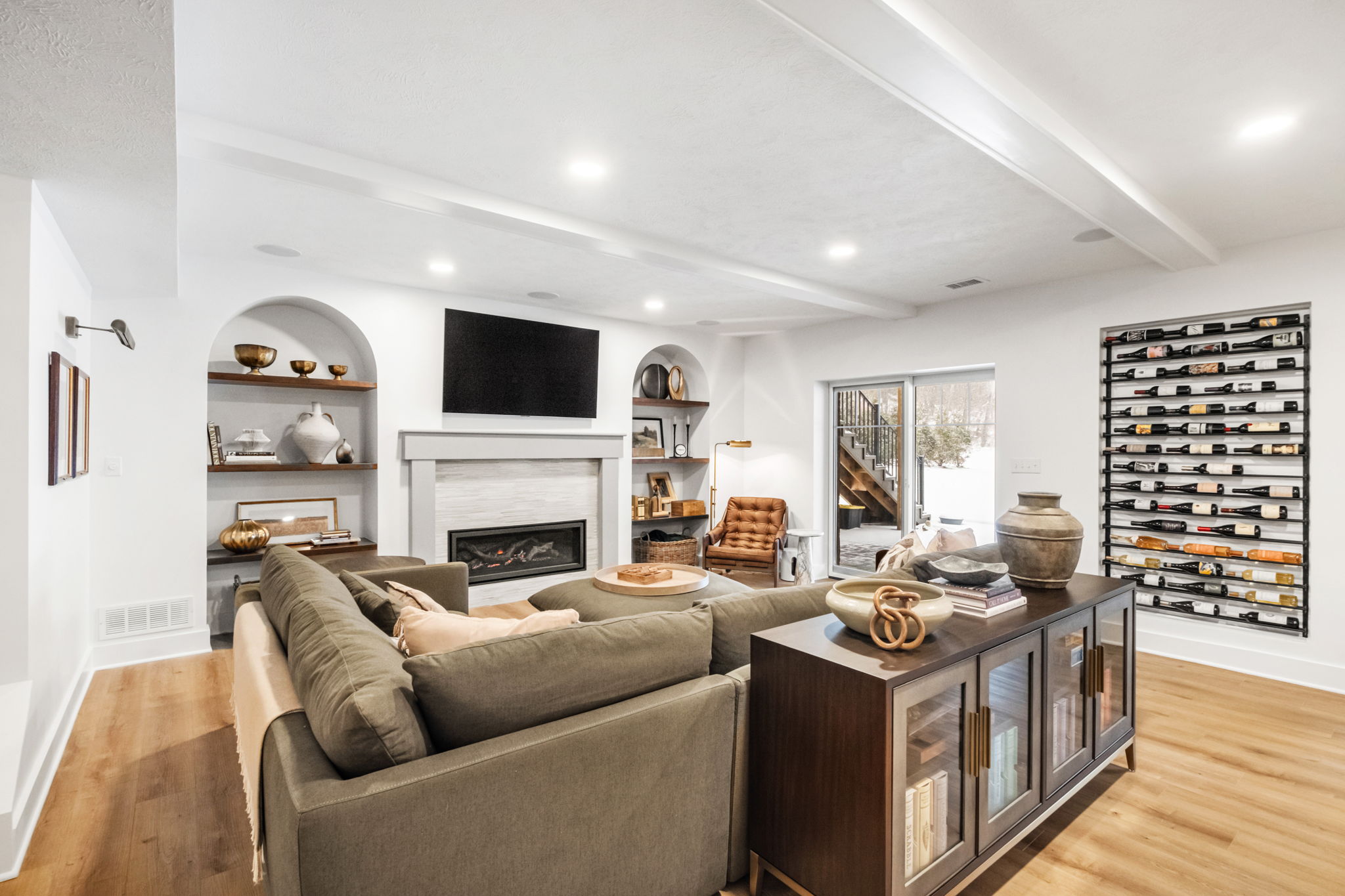
For many Pittsburgh homeowners, the basement is one of the most underutilized areas of the home. In older houses especially, basements can feel dark, damp, and disconnected from the rest of the living space.
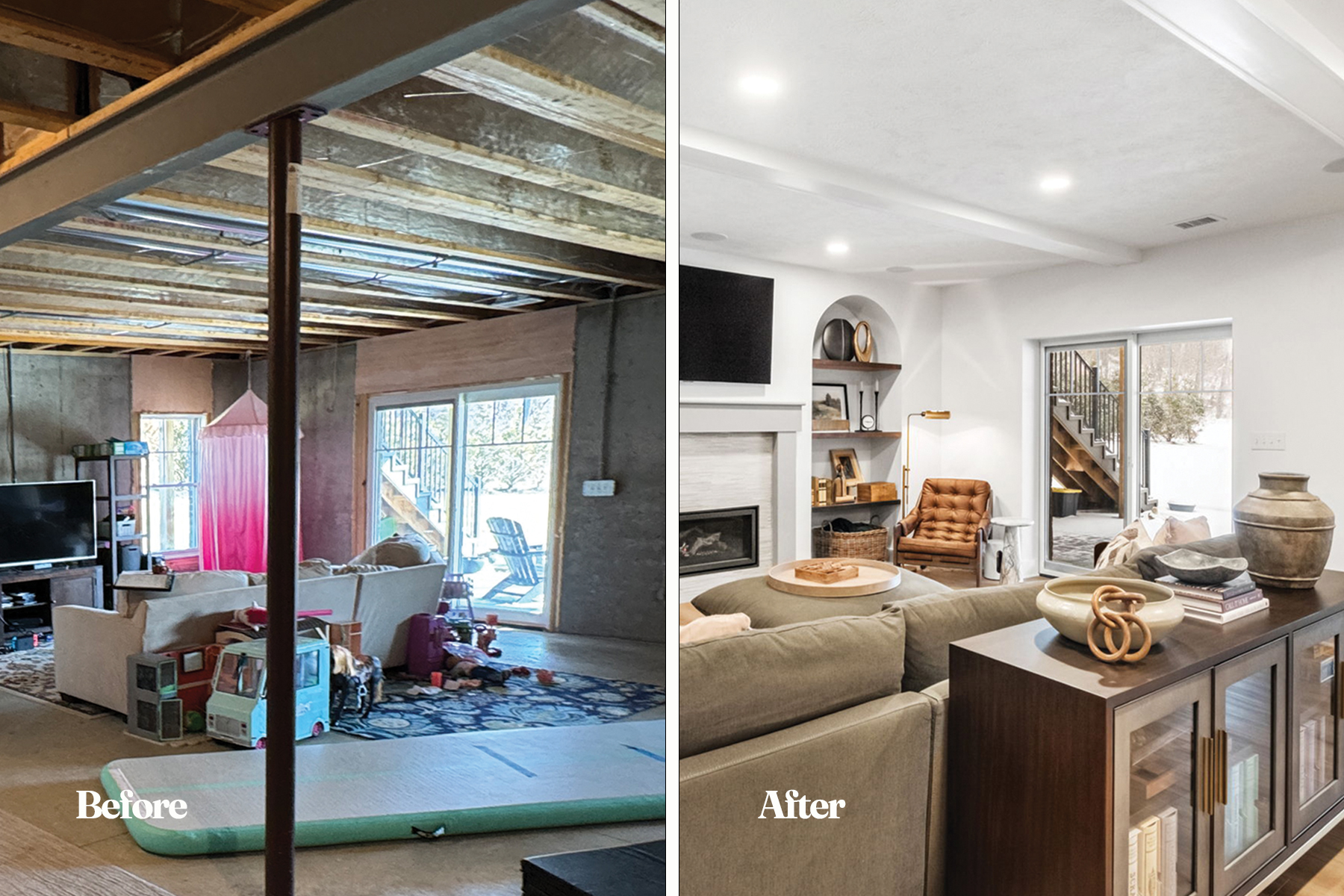
But with the right design and approach, an unfinished basement can become one of the most functional and enjoyable areas of your home.
Instead of adding square footage through an addition, finishing your basement allows you to maximize the space you already have — often at a lower cost and with less disruption.
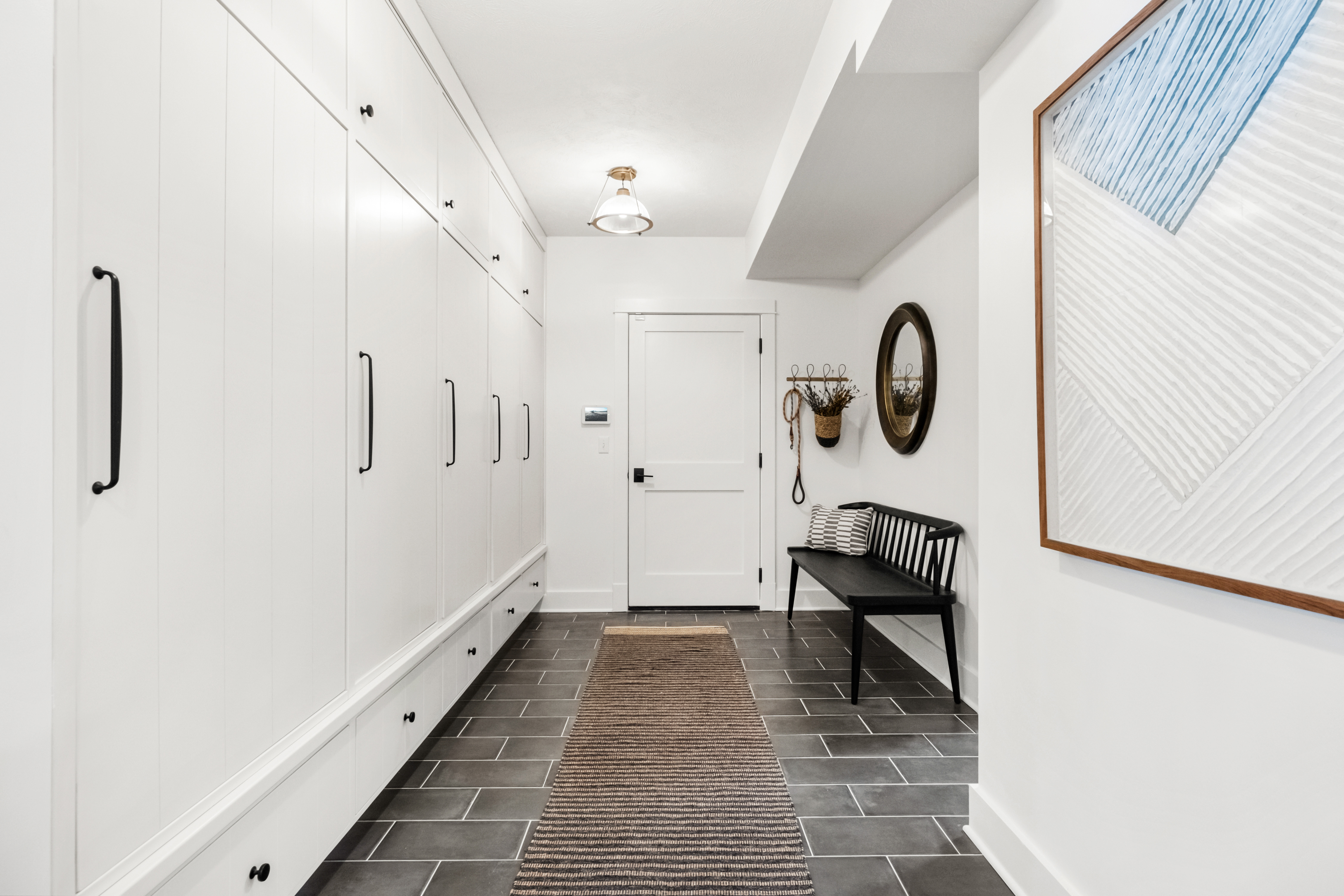
One of the first questions homeowners ask is: What should I actually do with the space?
The answer depends on how you live in your home. Below are some of the most popular—and practical—uses we see.
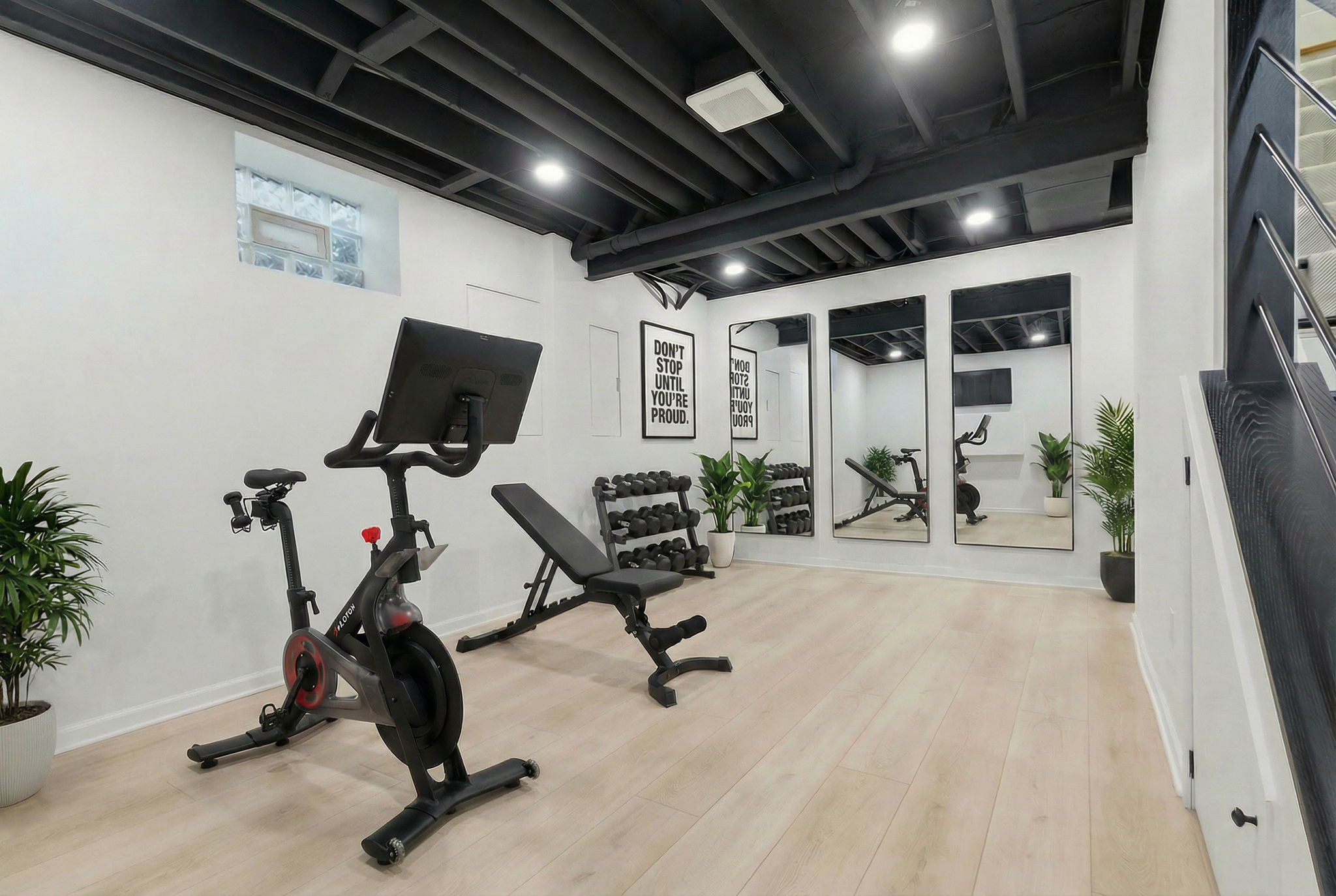
A dedicated home gym is one of the most common basement upgrades. With proper flooring, ceiling height considerations, and electrical planning, you can create a space that’s convenient and tailored to your routine.
Basements are naturally well-suited for media spaces due to limited natural light. With thoughtful lighting and layout, you can create a comfortable space for movies, sports, and everyday use.
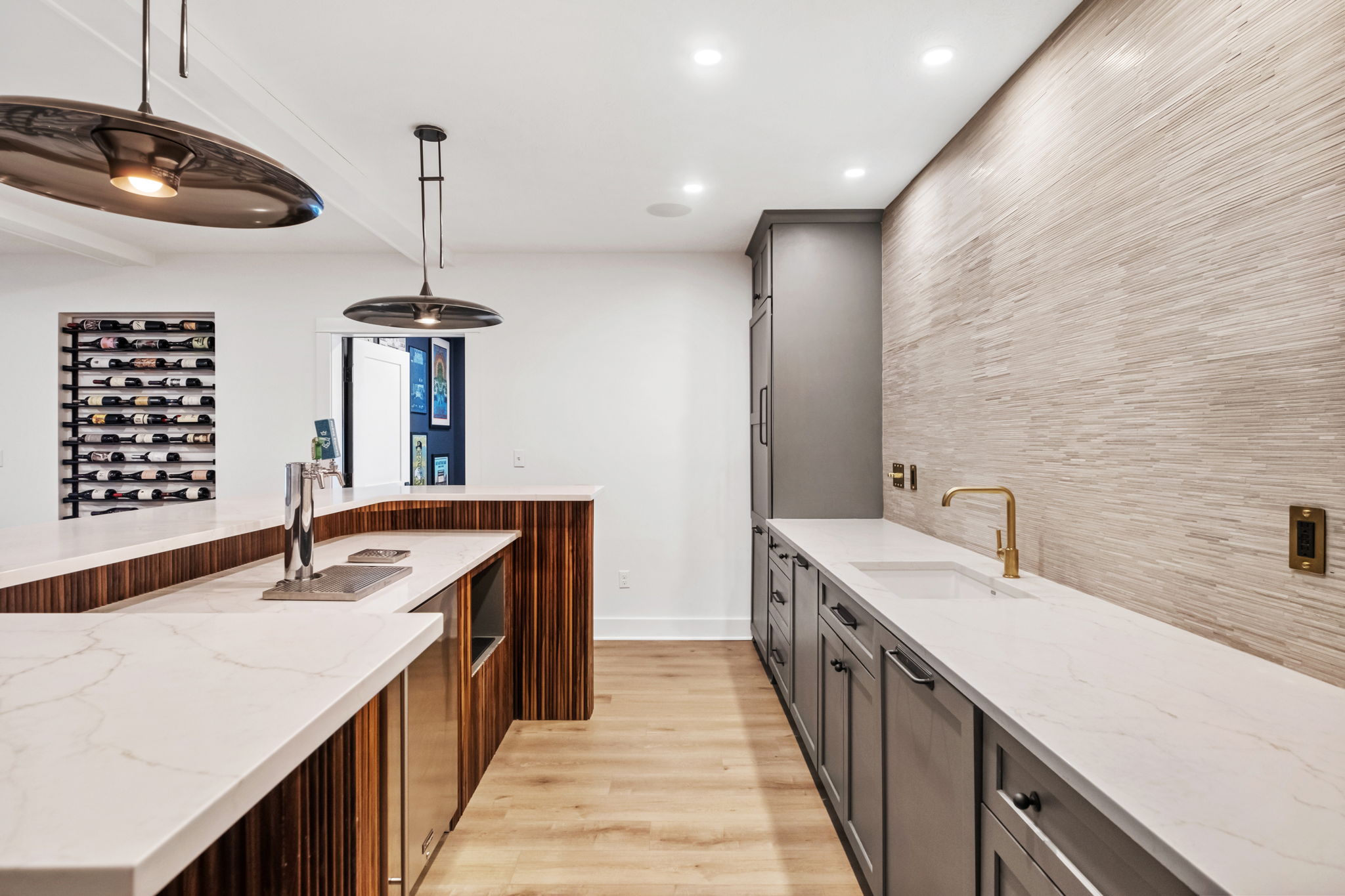
Adding a bar or kitchenette transforms your basement into a social space. Whether it’s for hosting guests or creating a secondary living area, this is one of the most impactful upgrades.
For homeowners who need additional sleeping space, basements can be converted into private guest areas. This often includes a bathroom and, in some cases, a small kitchenette.
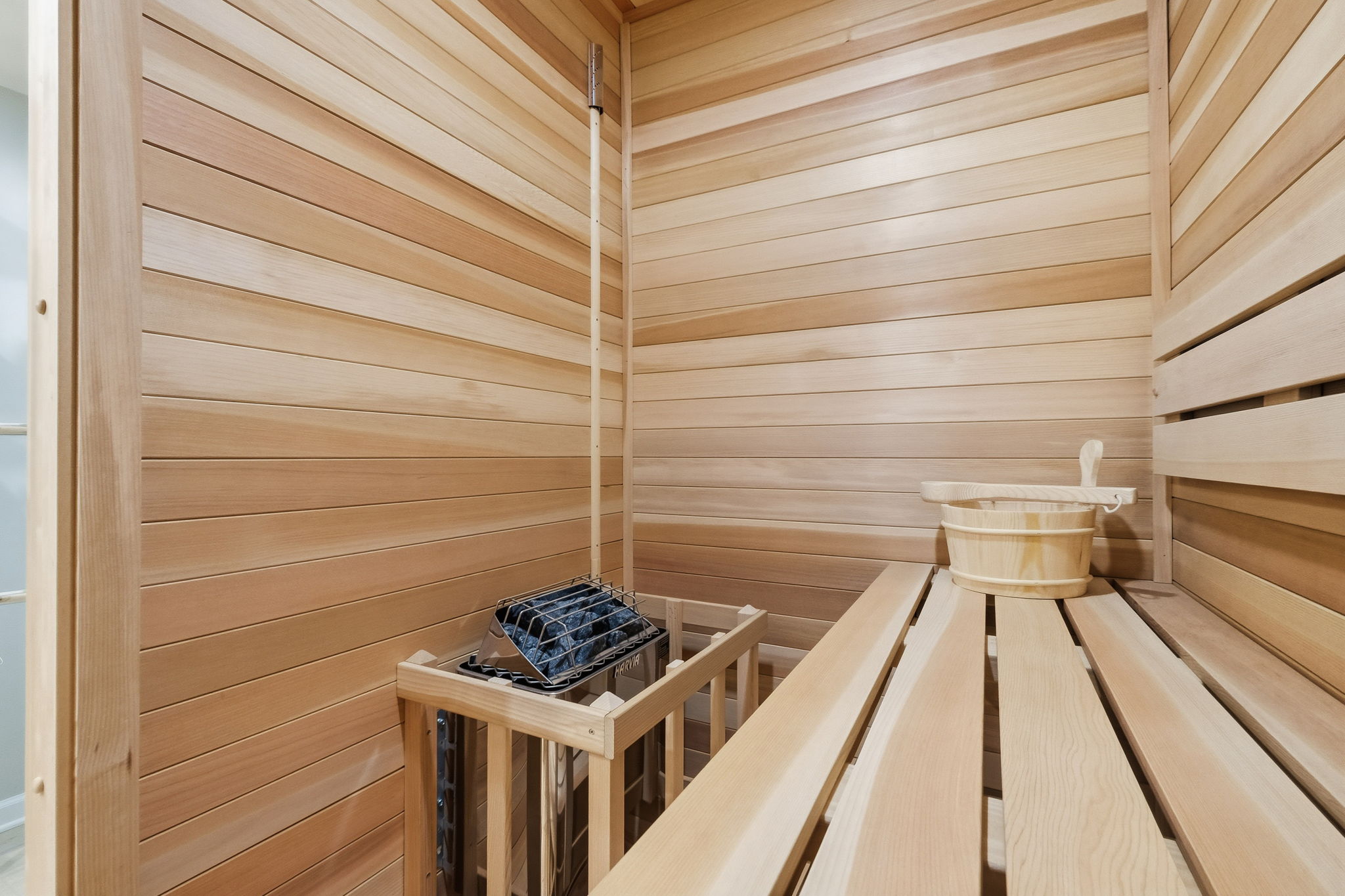
We’re seeing more homeowners incorporate wellness into their homes—saunas, yoga areas, and quiet retreat spaces are becoming increasingly popular.
Many homeowners hesitate to finish their basement because of existing conditions. The good news is that most of these challenges can be addressed with the right approach.
Basements are naturally more prone to moisture, but proper waterproofing, drainage, and materialselection can create a dry, comfortable space.
Ceiling height can be a limitation, but thoughtful design—like strategic lighting and layout—can make the space feel more open.
Lighting plays a huge role in basement design. Layered lighting (recessed, ambient, task) can completely change how the space feels.
Even if access is tight, careful planning can improve flow and usability without major structural changes.
The key takeaway: these are design challenges—not deal breakers.
Costs can vary significantly depending on the scope of the project.
Factors that impact cost include:
· Size of the basement
· Layout changes
· Electrical and plumbing needs
· Bathroom or kitchenette additions
· Material selections and finishes
While finishing a basement is an investment, it often provides strong value by adding usable living spacewithout expanding the footprint of your home.
If you’re not sure whereto begin, start by thinking about how you want to use the space.
Do you need:
· More room for your family?
· A place to entertain?
· A functional workspace or gym?
From there, working with an experienced contractor can help you navigate layout, design, and construction—while addressing any existing challenges along the way.
At Evergreen GeneralContracting, we help Pittsburgh homeowners turn unfinished basements into spaces that feel like a natural extension of the home.
Ready to explore what your basement could become?
Contact our team to start planning your project.


