.png)


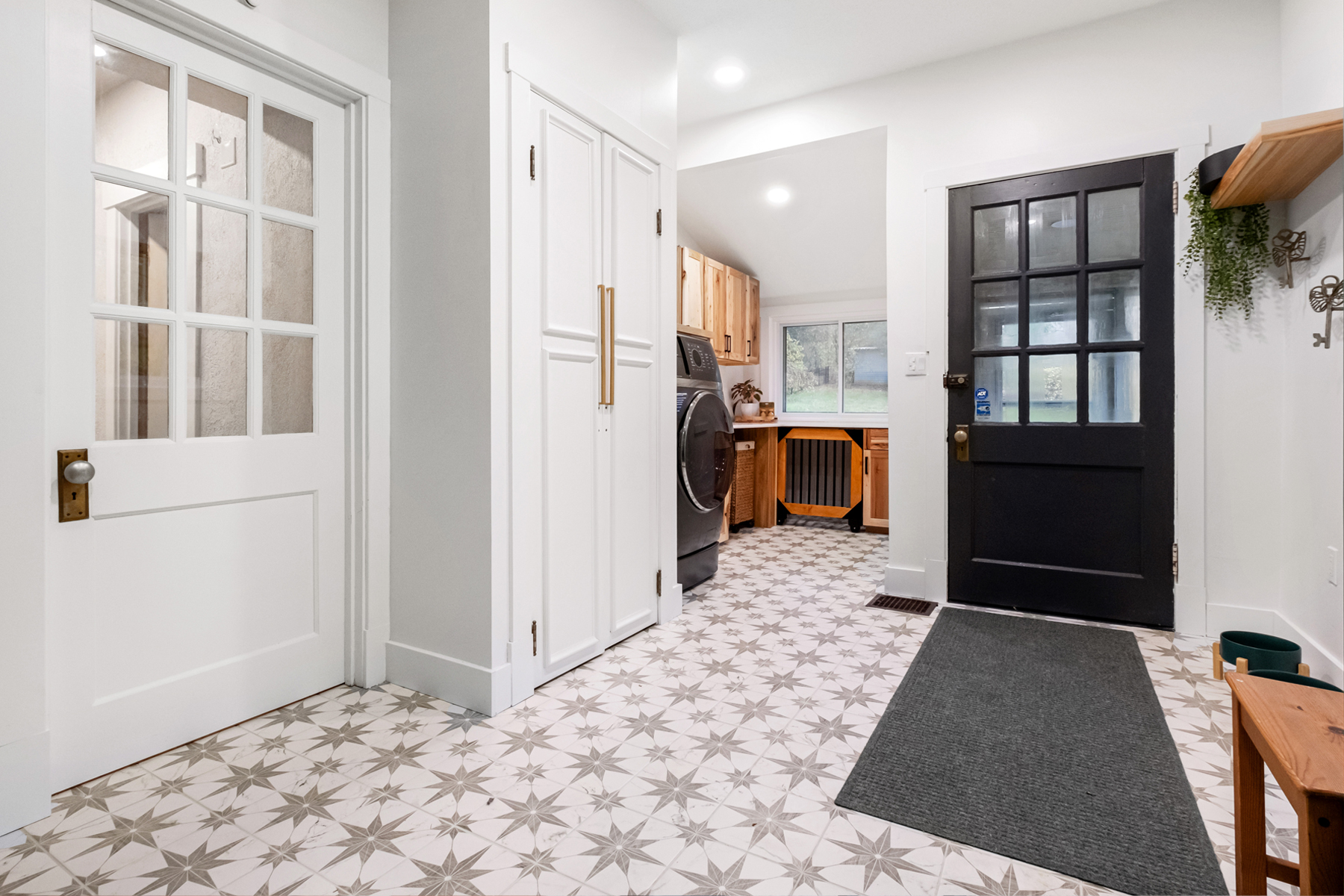
Planning a construction project usually starts with a wish list. Maybe you want a larger kitchen, a finished basement, a new deck, or an addition.Then come the ideas you’ve saved, the materials you love, and all the features you’d like to include.
Eventually, though, those ideas have to meet a budget.
One of the most common questions we hear from homeowners is: How do I get the most out of the money I’m spending? The answer isn’t always choosing the least expensive option. It’s figuring out where your budget will make the biggest difference.
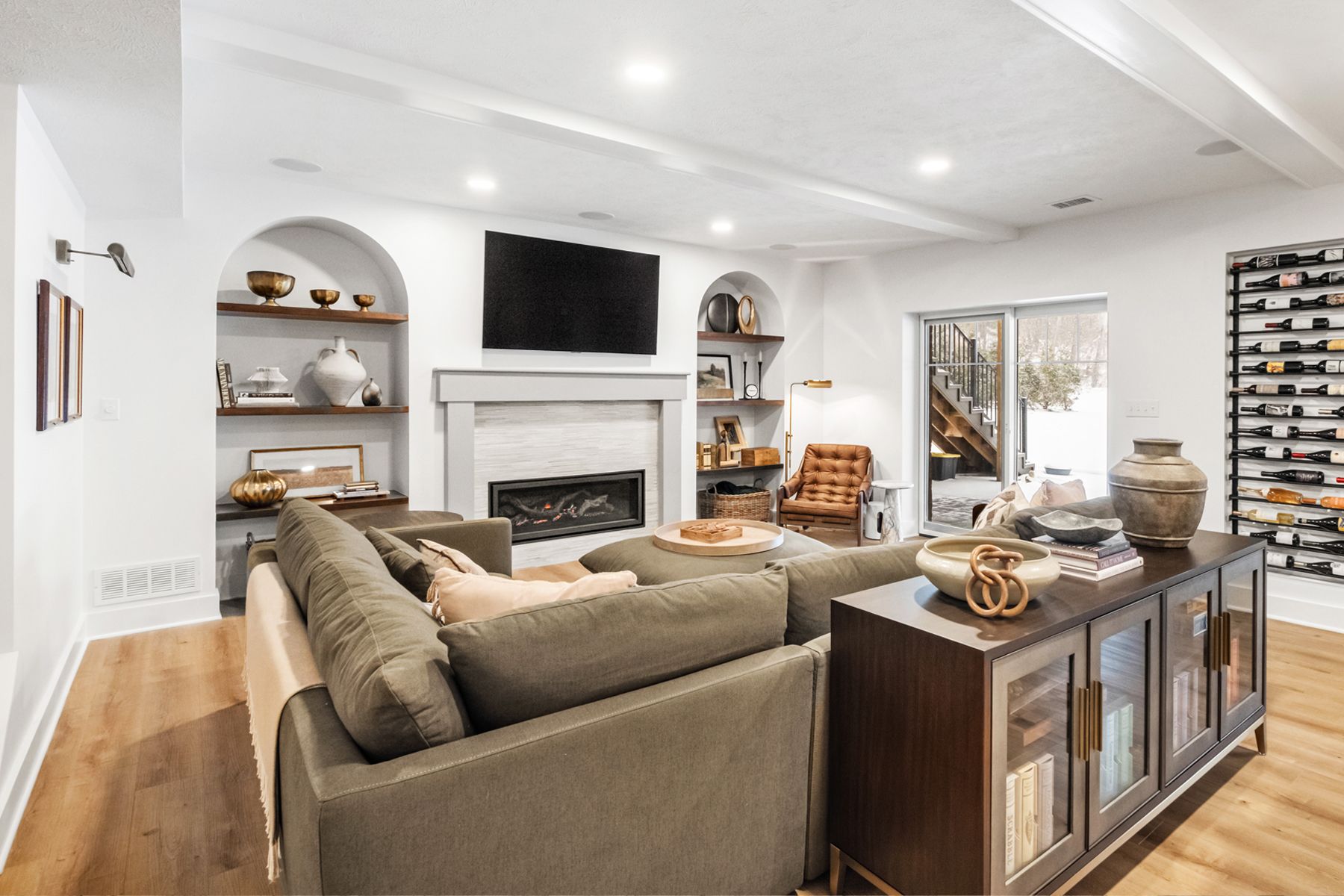
Before thinking about finishes and upgrades, identify what the project actually needs to accomplish.
If you’re renovating a kitchen, maybe the existing layout doesn’t work, you need significantly more storage, or you want space for your family to gather. If you’re building a deck, perhaps the priority is creating enough room to comfortably entertain or adding a roof so you can use it in more types of weather.
These are your must-haves- the reasons you’re doing the project in the first place. Protecting the budget for these priorities first helps ensure you don’t spend money on upgrades only to compromise on the problems you originally set out to solve.
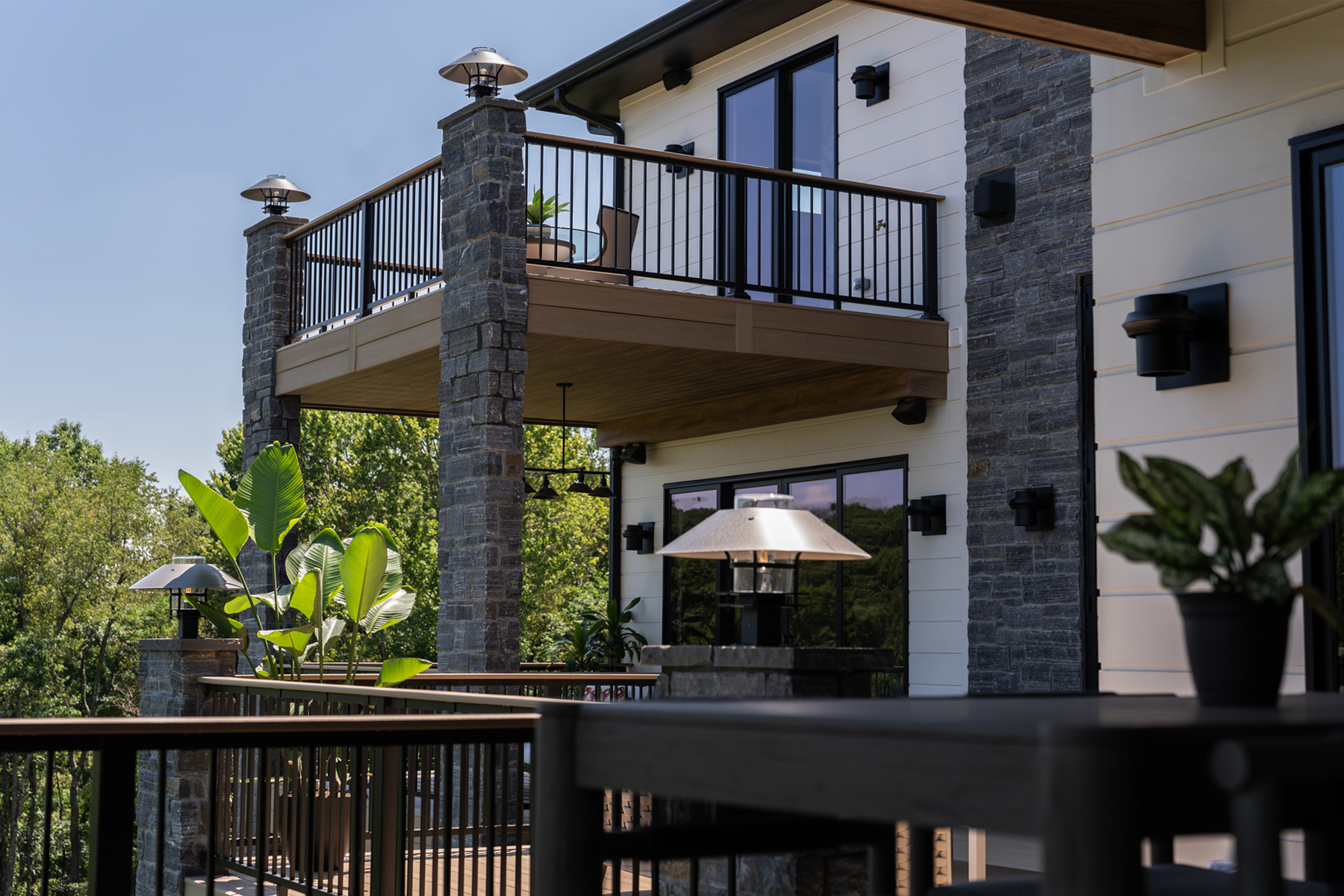
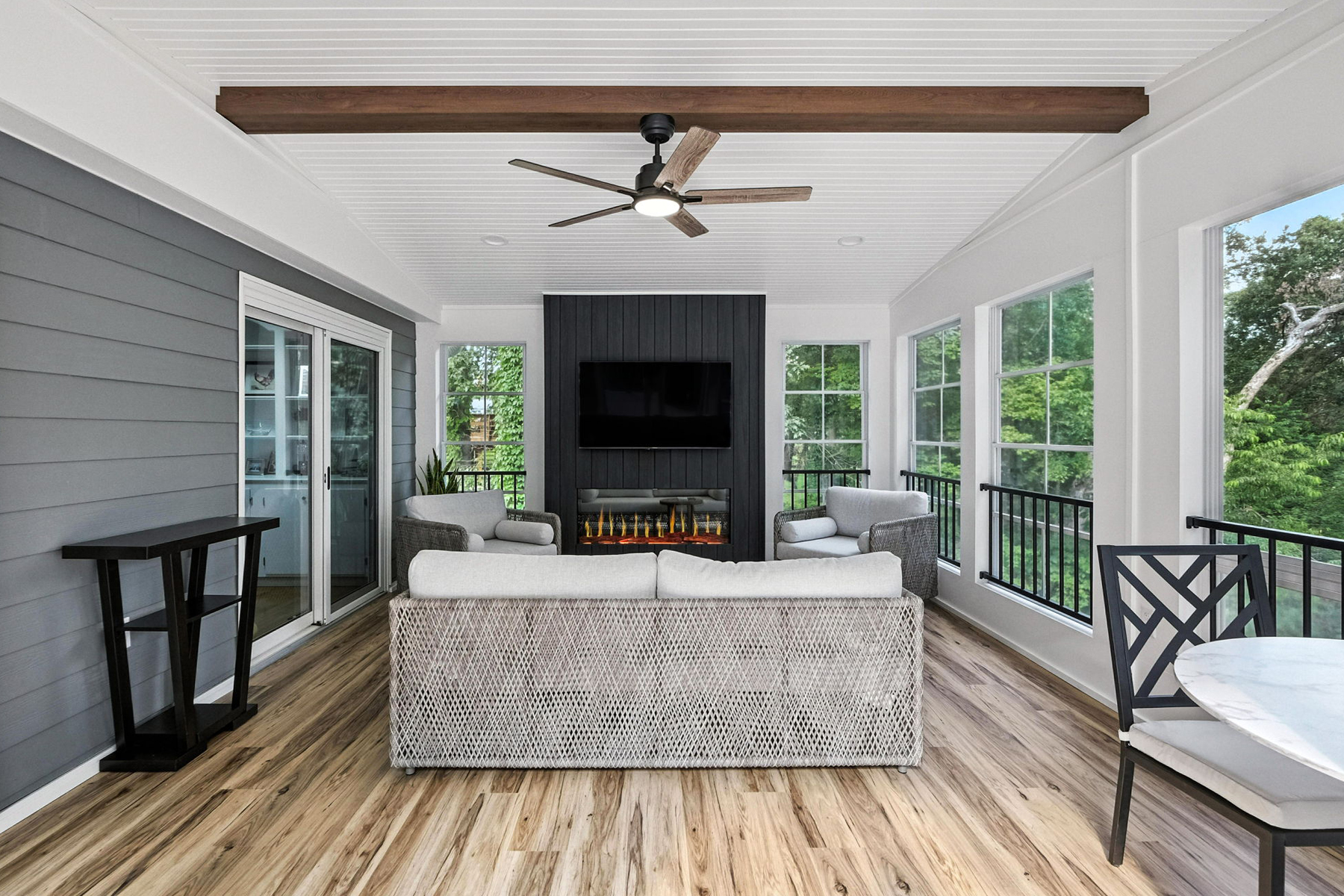
Next, consider the improvements that aren’t absolutely necessary but could meaningfully change how you experience the finished space. This is often where spending a little more can be worthwhile. Changing a layout, adding natural light, incorporating custom storage, upgrading cabinetry, or adding a roof to an outdoor living space may cost more, but these decisions can fundamentally change how well the space functions.
When we’re helping clients work through a budget, we encourage them to think about impact, not just price. Where will an additional investment actually make the project better?
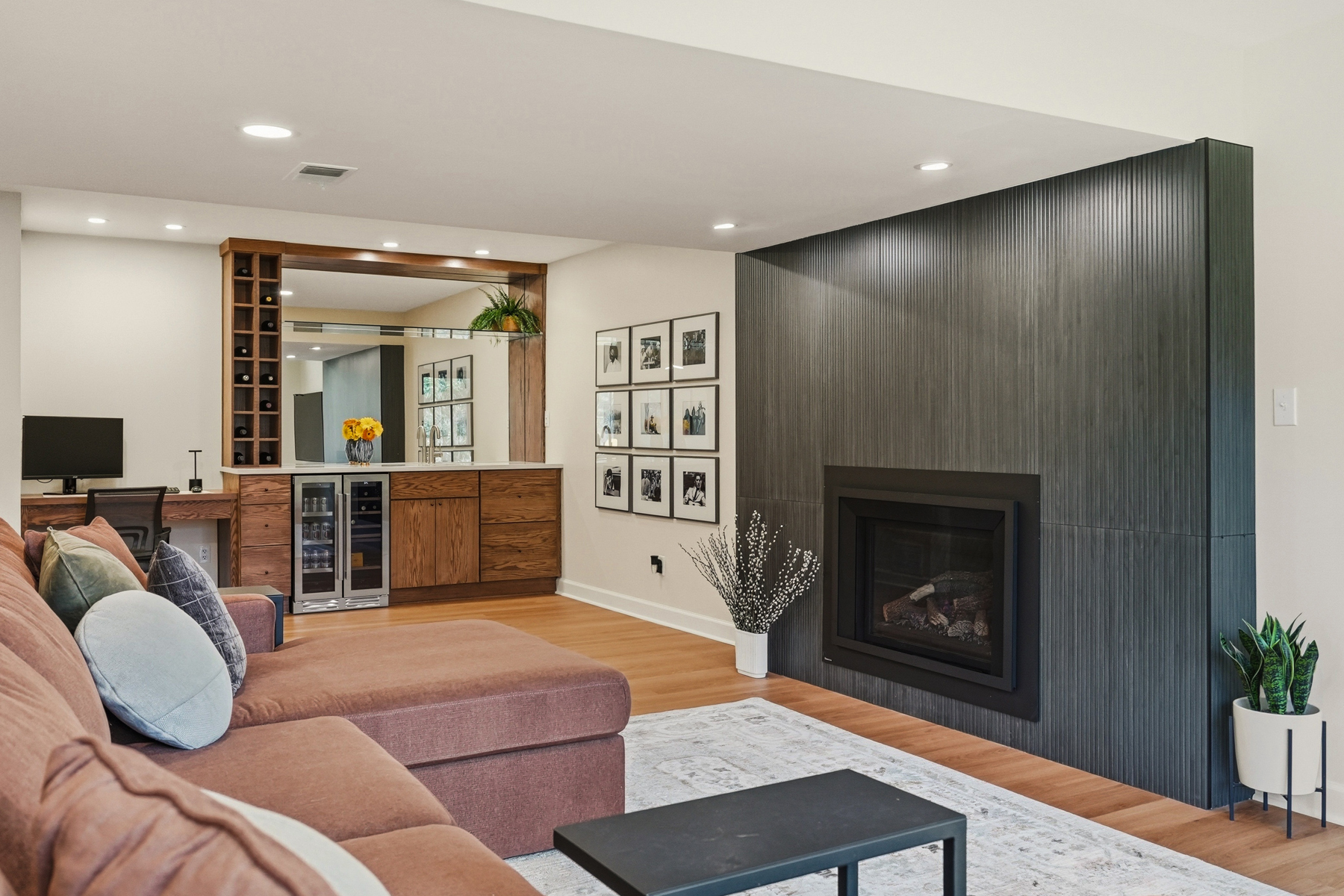
Finally, there are the details that give a project its personality: decorative lighting, hardware, specialty tile, upgraded finishes and other design elements. These details absolutely matter, but they’re also often the easiest place to make adjustments if the budget starts getting tight.
A $200-per-square-foot tile might be beautiful, but if choosing something different allows you to keep the layout change that makes your bathroom function better every day, that may be a worthwhile tradeoff. That doesn’t mean you should always choose the less expensive finish. It simply means understanding what you’re gaining—and what you may be giving up—with each decision.
Construction is expensive, and there will almost always be some give-and-take when developing a project. Having clear priorities makes those conversations much easier.
At Evergreen, our design and planning process helps homeowners work through these decisions before construction begins. We look at the project as a whole—what you need, what you want, where your budget can have the greatest impact, and where there may be opportunities to adjust.
The goal isn’t to spend as little as possible. It’s to make sure the money you are spending is working as hard as possible to create a space you’ll enjoy for years to come.
Thinking about a project? Contact Evergreen General Contracting to start the conversation.


