.png)


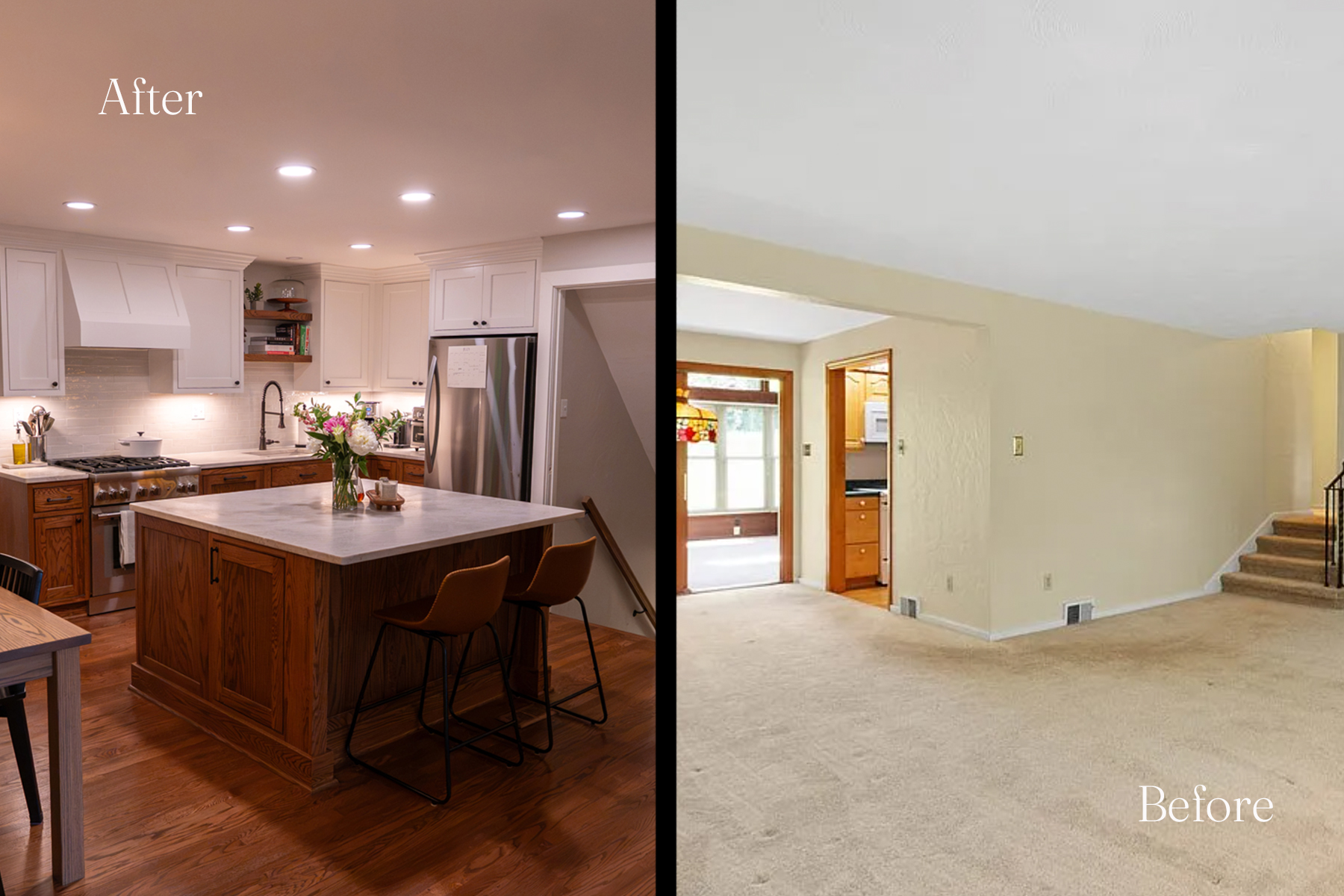
For many homeowners, the renovation process can feel overwhelming—especially if it's your first time remodeling. While the finished result is exciting, it's natural to wonder what happens once construction begins and how your daily routine may be affected. The good news is that a successful renovation isn't just about quality craftsmanship. It's also about preparation, communication, and knowing what to expect along the way.
Whether you're renovating a kitchen, bathroom, basement, or your entire first floor, understanding the remodeling process will help you feel more confident and make the experience much more enjoyable.
Every successful renovation starts long before the first wall comes down. This planning phase is where your goals, budget, design, and material selections all come together. During this stage, you'll work with your contractor to finalize layouts, choose finishes, order materials, and establish a construction schedule. Making these decisions before construction begins is one of the best ways to avoid delays once work is underway.
During this phase, you can expect to:
The more planning that is copleted upfront, the smoother construction typically goes.
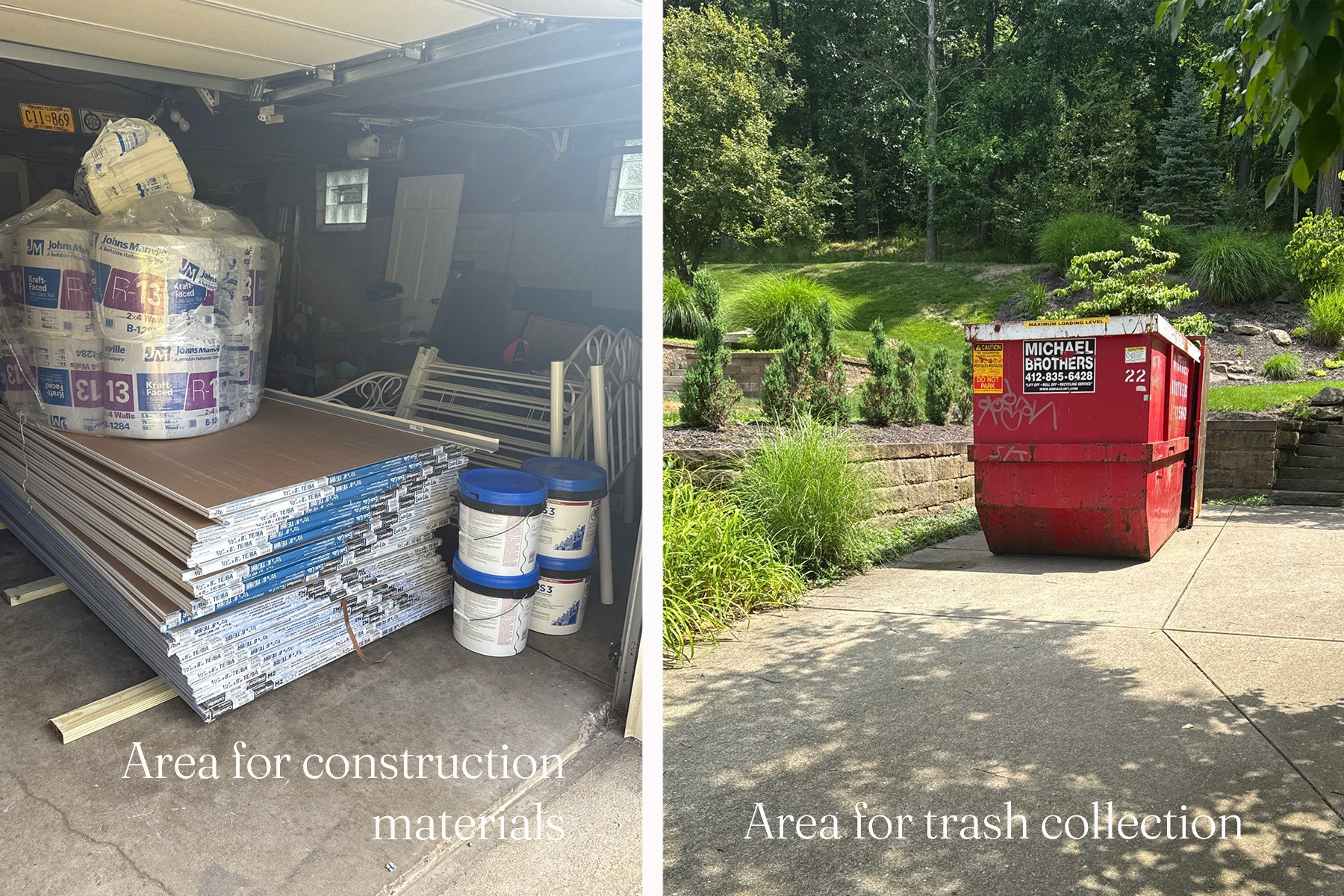
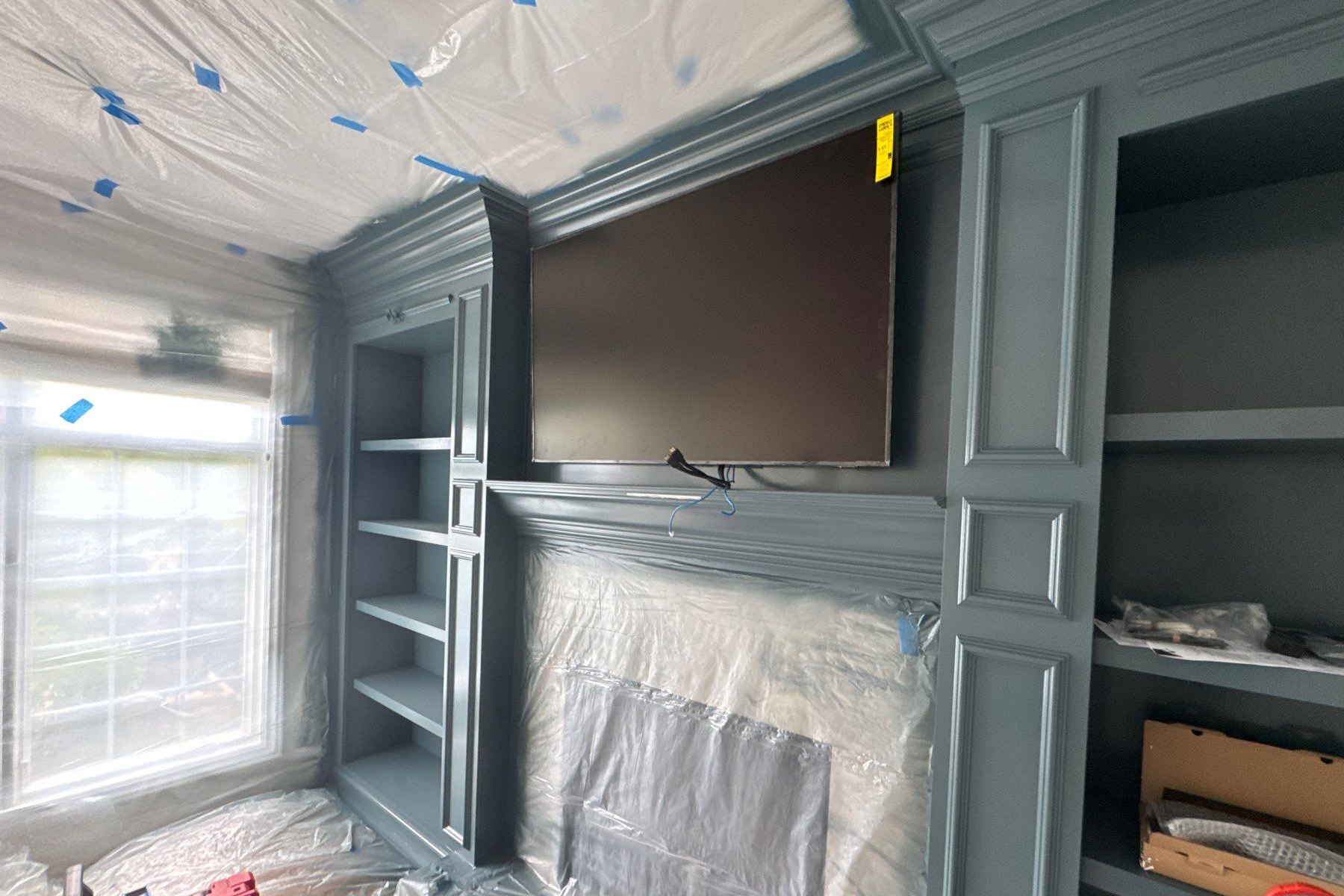
Before construction begins, your contractor should take steps to protect the areas of your home that aren't being renovated. A clean, organized jobsite not only helps safeguard your home, but also creates a safer and more efficient working environment throughout the project.
Depending on the scope of the renovation, these protective measures may include:
Even with these precautions, some dust and disruption are inevitable during construction—particularly when demolition or drywall work is involved. A quality contractor will make every effort to contain dust and keep the rest of your home as clean as possible, but it's helpful to set realistic expectations.
Before work begins, it's also a good idea to remove valuable or fragile items from nearby rooms, take artwork off the walls, and relocate electronics or décor that could be affected by dust or vibration. If you're renovating a kitchen or bathroom, consider setting up a temporary space elsewhere in your home so you can maintain some of your normal routine while construction is underway.
Although remodeling temporarily changes the way you use your home, thoughtful preparation and a well-managed job site can significantly reduce the inconvenience. Your contractor should work with you to establish expectations early so you know what to expect each day and can feel confident throughout the renovation process.
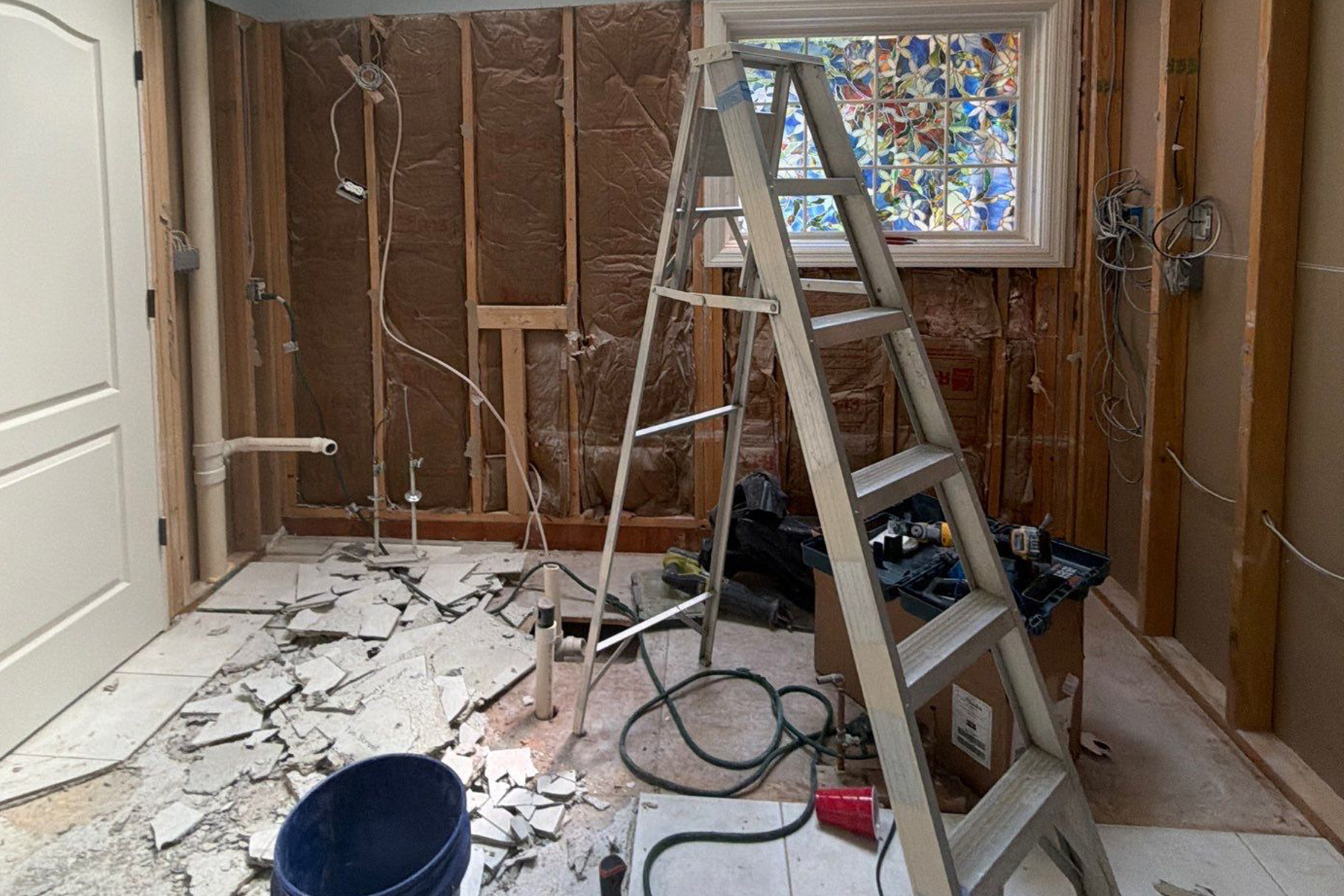
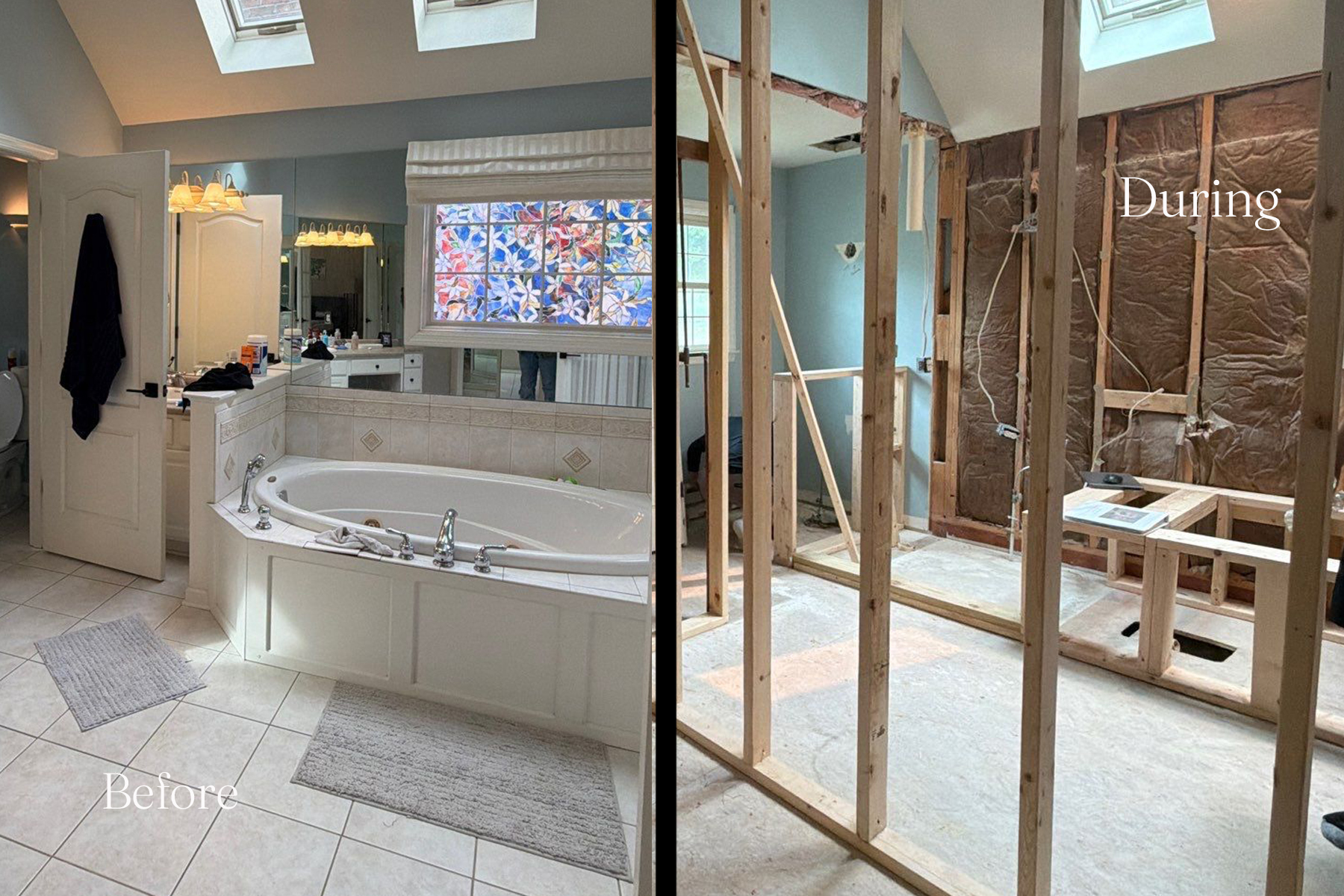
Demolition is often the most exciting—and the messiest—part of a renovation. It's the stage where homeowners begin to see real progress as outdated finishes are removed and the vision for the new space starts to take shape.
While demolition can happen relatively quickly, it's also one of the most important phases of the entire project. Once walls, flooring, ceilings, and cabinetry are removed, your contractor is finally able to see the home's underlying structure and mechanical systems. This provides a complete picture of what needs to happen before rebuilding can begin.
Especially in older homes, it's not uncommon for demolition to uncover hidden conditions that weren't visible during the initial walkthrough. These discoveries aren't necessarily a sign that something has gone wrong—they're simply part of working with an existing home.
Some of the most common issues uncovered during demolition include:
Although unexpected findings can occasionally affect the project schedule or budget, addressing them during demolition is far better than covering them up and discovering them years later. This stage gives your contractor the opportunity to correct underlying issues, update systems to current building codes, and ensure the new construction has a solid foundation.
For homeowners, this is also a good reminder that remodeling is about much more than new cabinets, flooring, or paint. Some of the most valuable improvements happen behind the walls—work you'll never see, but that contributes to the safety, longevity, and performance of your home for years to come.
Every home renovation creates some level of disruption, but understanding what to expect ahead of time can make the process feel much more manageable. While your contractor will work hard to keep your home organized and minimize inconvenience, construction is an active process with many moving parts.
During your renovation, you can expect things like:
Depending on the scope of your remodel, you may need to make a few temporary adjustments to your daily routine. If your kitchen is being renovated, consider setting up a small coffee station or temporary kitchenette in another room with essentials like a microwave, mini refrigerator, or electric kettle. If you're remodeling your only bathroom, be sure to discuss alternate arrangements with your contractor before work begins. Planning for these temporary inconveniences in advance can make the renovation much less stressful.
It's also important to remember that construction rarely follows the exact same routine every day. Some days may be quieter, while others involve demolition, material deliveries, or multiple trades working simultaneously. Staying flexible and maintaining open communication with your contractor will help you know what to expect as each phase of the project unfolds.
Although living through a renovation requires patience and a willingness to adapt, the disruption is temporary. With every completed milestone—from framing and drywall to cabinetry, flooring, and final finishes—you'll begin to see your vision come to life. Before long, the temporary inconveniences are replaced by a beautifully renovated space that your family will enjoy for years to come.
One of the biggest factors that separates a stressful renovation from a positive one is communication. While minor adjustments or unexpected discoveries can happen during any remodel, clear and consistent communication ensures they're handled quickly and transparently.
A good contractor doesn't just build your project—they keep you informed every step of the way. You should receive regular updates on project progress, upcoming milestones, scheduling changes, and any decisions that need to be made. Knowing what to expect helps eliminate surprises and gives homeowners peace of mind throughout the renovation.
Remodeling is also a collaborative process. Don't hesitate to ask questions or discuss concerns as they arise. Whether it's reviewing a design detail or addressing an unforeseen issue behind the walls, open communication helps ensure everyone is working toward the same vision.
When homeowners and contractors communicate openly, the renovation process becomes smoother, more enjoyable, and ultimately more successful.
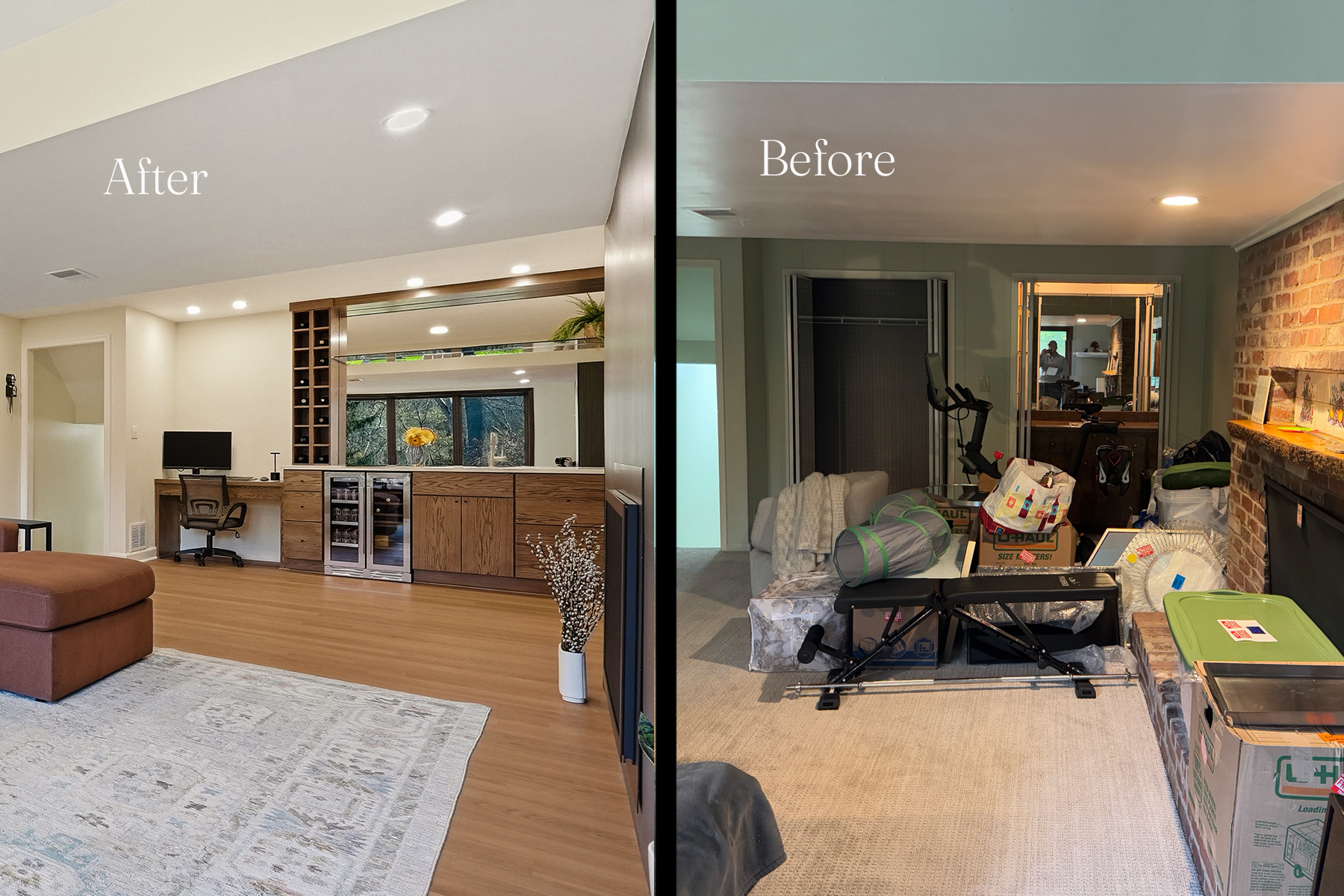
As construction nears completion, the focus shifts from major work to the finishing details that bring the renovation together. While the heavy lifting is complete, this final phase is where careful attention to detail transforms a well-built project into a beautifully finished space.
During this stage, your contractor will complete the final touches, which often include:
Once these items are complete, your contractor will schedule a final walkthrough with you. Together, you'll create a punch list—a list of any remaining items that need attention before the project is officially complete. These are typically minor adjustments, such as aligning a cabinet door, touching up paint, or correcting small finish details.
A punch list isn't a sign that something went wrong; it's a standard part of the remodeling process and reflects your contractor's commitment to delivering a high-quality finished product. It's also an opportunity to ask questions about your new space, learn how to care for specific materials and finishes, and discuss any recommended maintenance.
Once the punch list is complete, the protective coverings come up, the tools are packed away, and you can finally enjoy your newly renovated home. After weeks—or even months—of planning and construction, all of the decisions and hard work come together to create a space that's more beautiful, functional, and designed for the way you live.
The best home renovations aren't simply measured by beautiful finishes—they're measured by the experience homeowners have throughout the process. When expectations are clear, communication is consistent, and planning is thorough, remodeling becomes much less intimidating and much more rewarding.
At Evergreen General Contracting, we believe every homeowner deserves to feel informed, supported, and confident from the initial consultation through the final walkthrough. Whether you're updating a single room, reimagining your first floor, or transforming your entire home, our goal is to guide you through every step of the journey with expert craftsmanship, thoughtful planning, and open communication.
A successful renovation doesn't just change the way your home looks—it changes the way you live in it. It creates spaces that are more functional, more comfortable, and better suited to your family's needs for years to come.
If you're thinking about renovating your home, we'd love to help. Contact Evergreen General Contracting today to start the conversation and discover what's possible for your space.


