


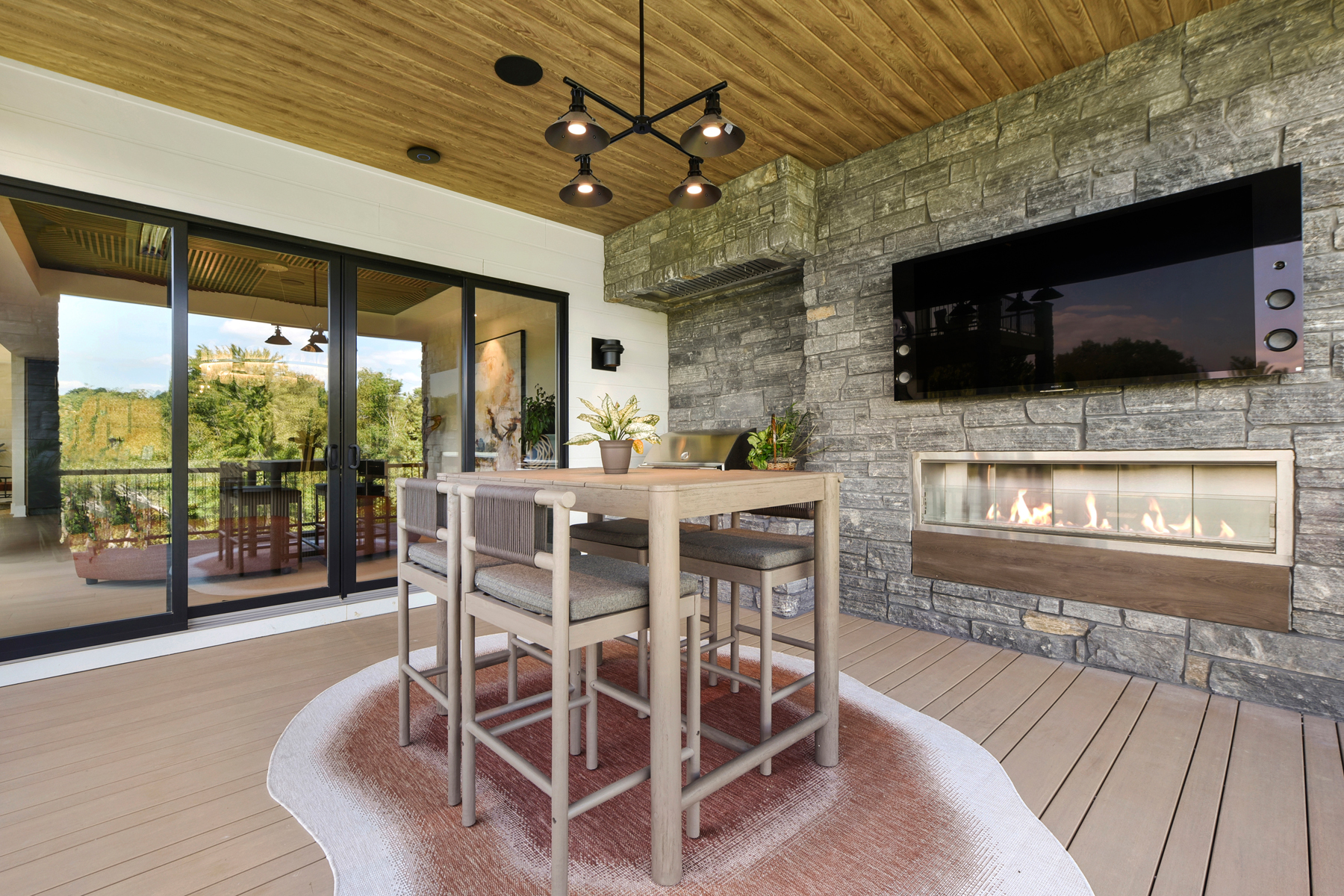
A new deck is one of the best investments you can make in your home. Whether you're creating a space for family gatherings, summer cookouts, or simply relaxing outdoors, your decking material plays a major role in how your deck looks, performs, and ages over time.
Today's homeowners have more choices than ever before. While pressure-treated wood has long been the traditional option, composite and advanced PVC decking have become increasingly popular thanks to their durability and low maintenance.
So, what is the best decking material?
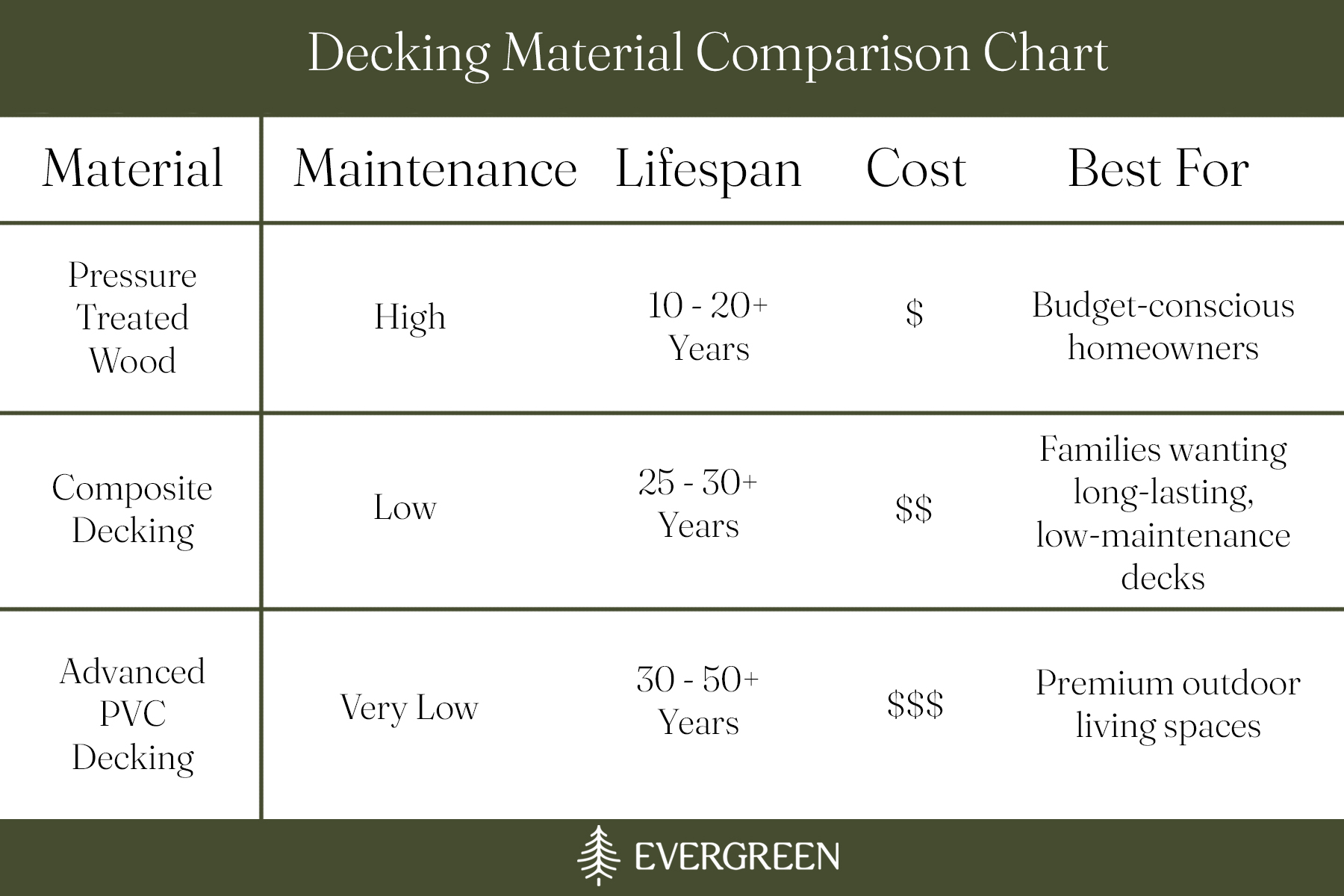
The answer depends on your budget, maintenance preferences, design goals, and how you plan to use your outdoor space. Below, we'll compare three of the most common decking materials to help you make an informed decision.
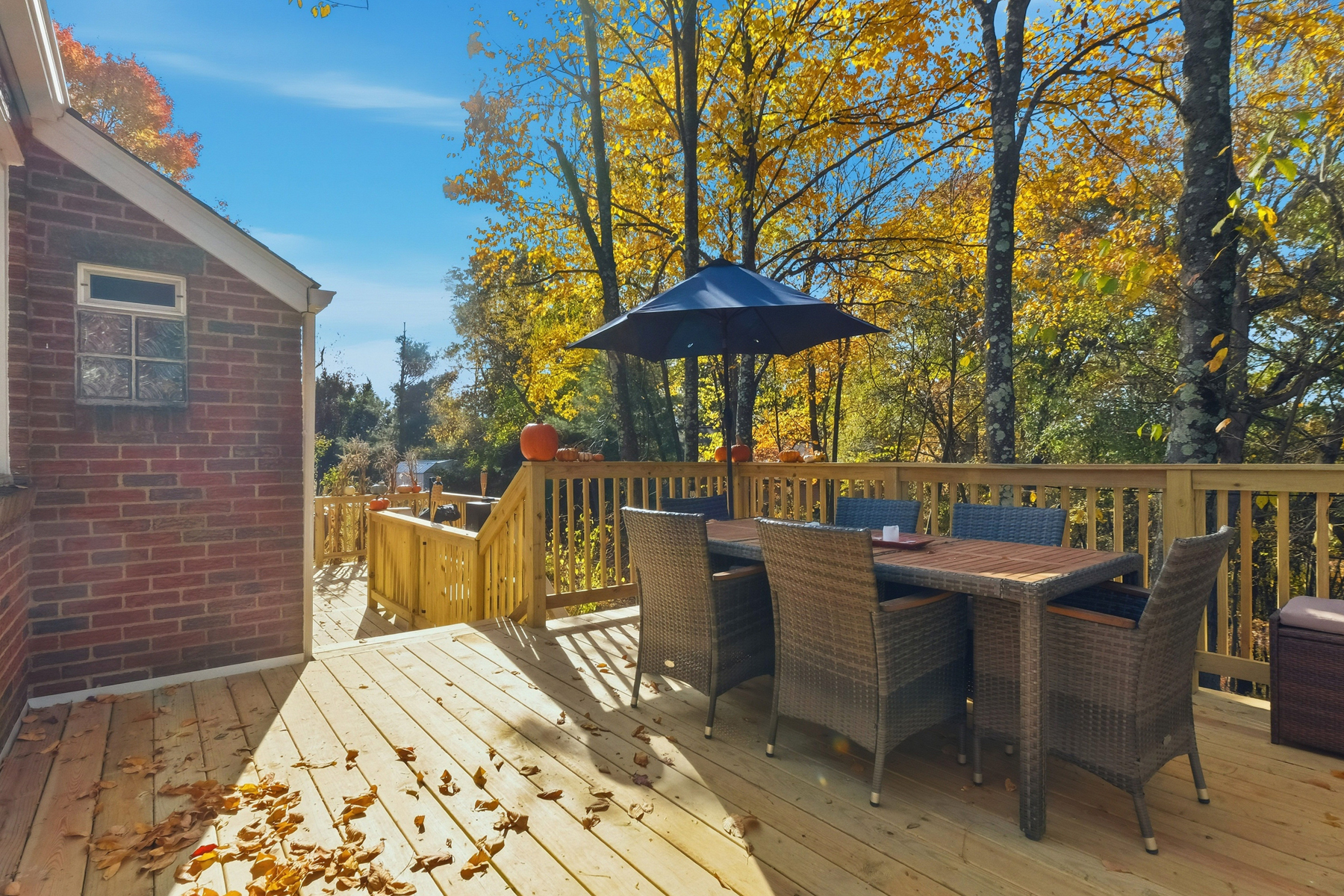
For decades, pressure-treated lumber has been the standard choice for residential decks. It's affordable, readily available, and offers the natural appearance many homeowners appreciate.
Pressure-treated wood is infused with preservatives that help protect it from moisture, insects, and decay. While this extends its lifespan compared to untreated lumber, wood still requires ongoing maintenance to protect it from the elements.
If you're looking for the lowest upfront investment, pressure-treated wood is often the most economical choice.
Lower Initial Cost
Pressure-treated wood remains one of the most affordable decking materials available, making it an attractive option for homeowners working within a budget.
Traditional Appearance
Many homeowners simply love the warmth and character of natural wood. It can also be stained or painted to complement nearly any home's exterior.
Easy Repairs
Individual deck boards can typically be replaced without affecting the rest of the structure if damage occurs.
Widely Available
Because pressure-treated lumber has been used for decades, replacement materials are readily available should repairs become necessary years later.
Requires Regular Maintenance
Wood decks require routine staining or sealing every few years to help protect them from moisture, UV rays, and everyday wear.
Can Warp, Crack, and Splinter
As wood naturally expands and contracts with changing weather conditions, it may develop cracks, checks, or splinters over time.
Prone to Moisture Damage
Although pressure-treated lumber resists rot better than untreated wood, prolonged exposure to moisture can still lead to deterioration.
Shorter Lifespan
Compared to modern composite and PVC products, pressure-treated decks generally require more repairs and maintenance throughout their life.
If you're looking for the appearance of wood without the ongoing upkeep, composite decking may be worth considering.
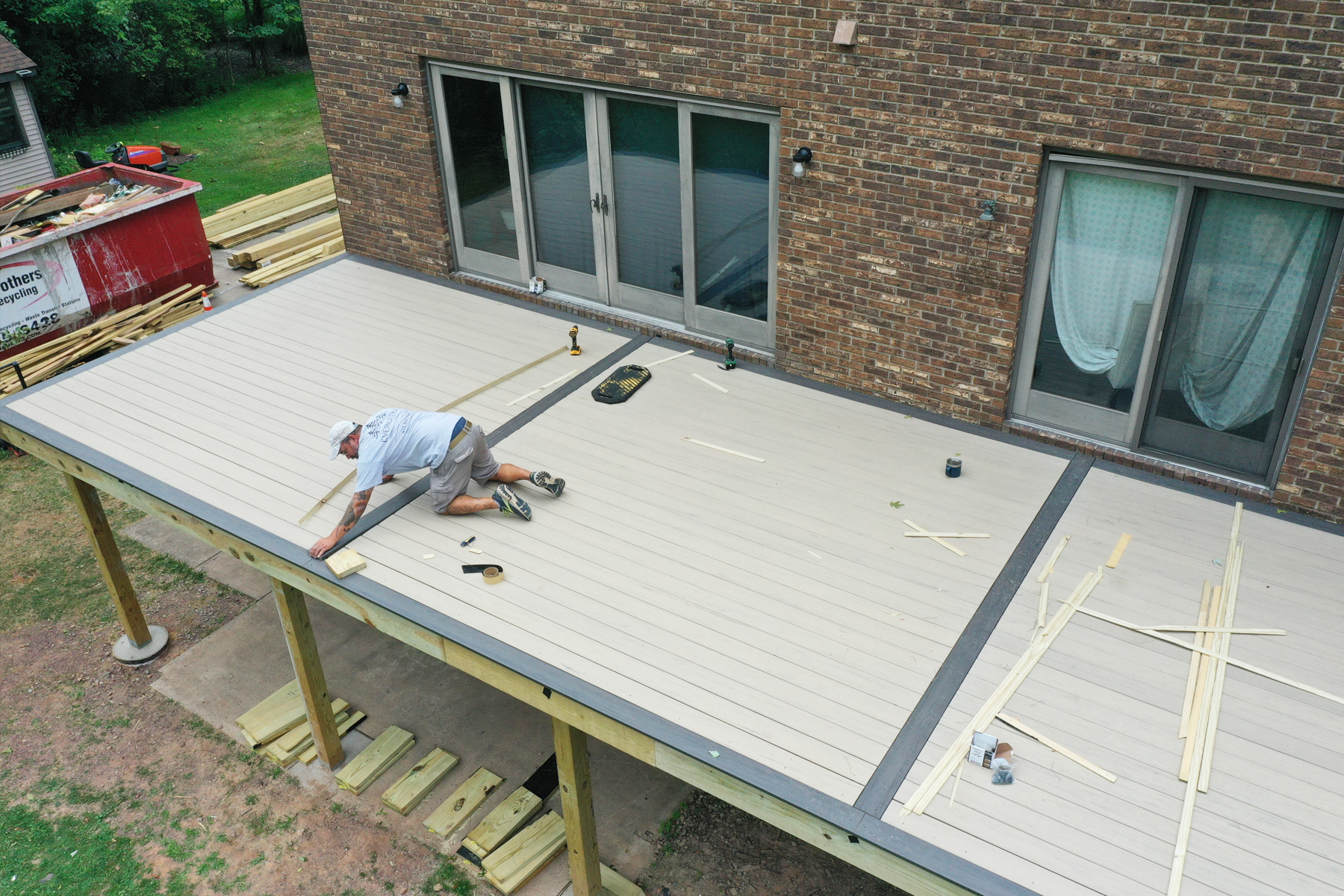
Composite decking has become one of today's most popular decking materials because it combines the beauty of wood with significantly reduced maintenance requirements.
Unlike traditional lumber, composite decking is manufactured using a combination of recycled wood fibers and durable polymers, creating boards that resist many of the problems associated with natural wood.
Many homeowners choose composite decking because they want to spend their weekends enjoying their deck—not maintaining it.
Low Maintenance
One of composite decking's biggest advantages is that it doesn't require annual staining, painting, or sealing. Routine cleaning with soap and water is typically all that's needed.
Excellent Durability
Composite decking resists many common issues that affect traditional wood, including splintering, insect damage, and moisture-related deterioration.
Consistent Appearance
Unlike natural wood, composite decking offers consistent color and grain patterns throughout a project, creating a clean, polished look.
Wide Variety of Colors
Composite decking is available in numerous colors and finishes, allowing homeowners to match both traditional and contemporary home designs.
Environmentally Friendly
Many composite decking manufacturers incorporate recycled materials into their products, making composite an appealing choice for environmentally conscious homeowners.
Higher Upfront Investment
Composite decking generally costs more initially than pressure-treated wood.
Heavier Material
Composite boards are often heavier than traditional lumber and require proper framing and installation.
Can Become Warm in Direct Sunlight
Like many outdoor materials, darker colors may become warmer under prolonged sun exposure.
Why We Recommend TimberTech Composite
If you're looking for the highest level of performance with virtually no maintenance, advanced PVC decking may be your best option.
Advanced PVC decking represents the premium end of today's decking market.
Unlike composite decking, PVC decking contains no organic wood fibers. This makes it especially well suited for environments where moisture, humidity, or water exposure are constant concerns.
For homeowners building around pools, hot tubs, lakes, or heavily shaded areas, PVC decking can provide exceptional long-term performance.
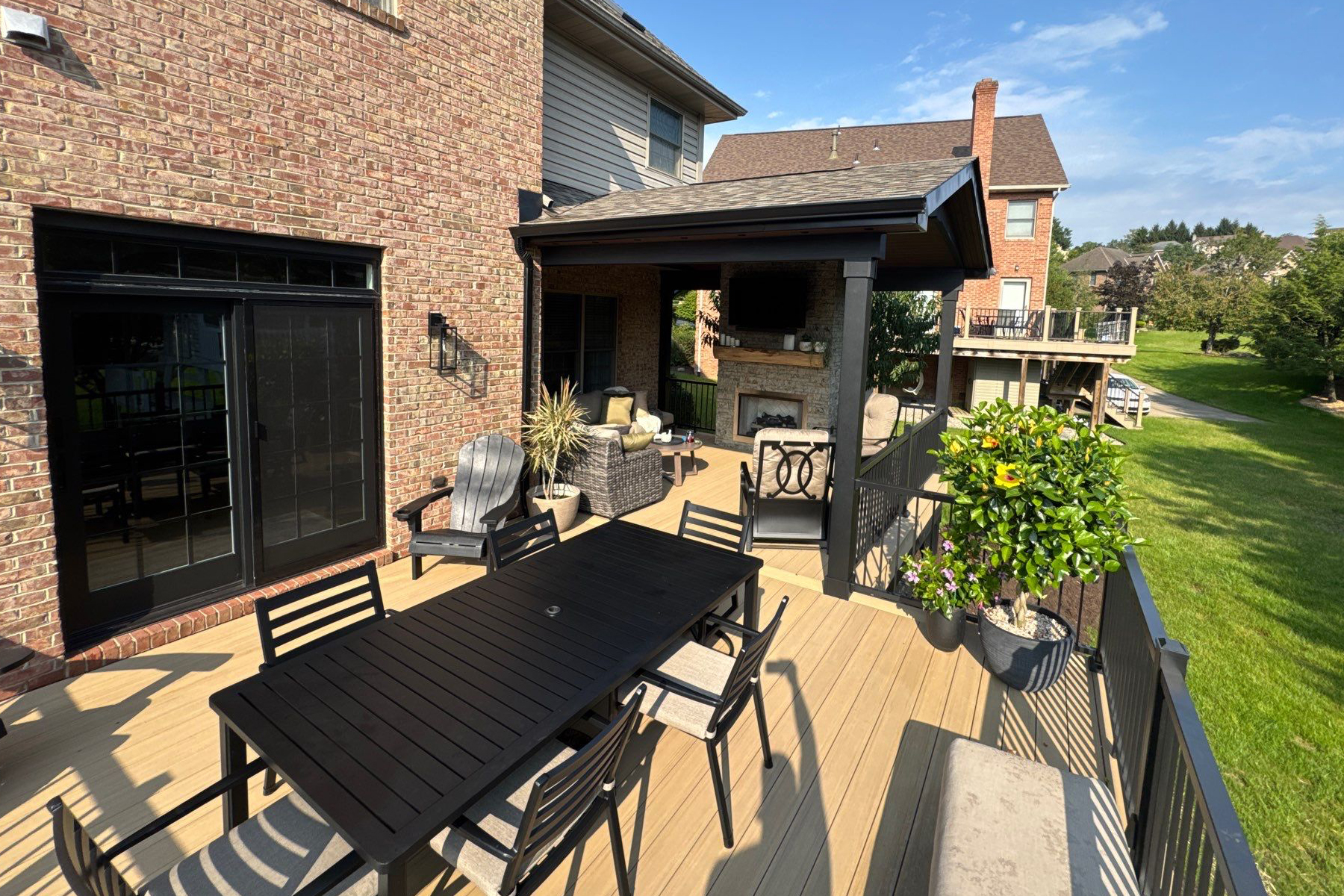
Virtually Maintenance-Free
PVC decking requires no staining, sealing, or painting. Routine cleaning is generally all that's needed to keep it looking its best.
Outstanding Moisture Resistance
Because PVC contains no wood fibers, it will not absorb moisture like traditional lumber.
Excellent for Wet Environments
PVC decking performs exceptionally well around pools, docks, outdoor kitchens, and covered outdoor living spaces.
Highly Durable
PVC decking resists many common outdoor problems including rot, insects, mold, and mildew.
Premium Appearance
Modern PVC decking is available in realistic wood-look finishes while maintaining clean, consistent color throughout the deck.
Highest Initial Cost
PVC decking typically represents the largest upfront investment of the three materials.
Different Feel Than Natural Wood
Although today's products closely resemble wood, some homeowners still prefer the texture and character of real lumber.
Why We Recommend TimberTech Advanced PVC
Choosing a decking material isn't just about appearance. Several other factors should influence your decision.
Budget
Pressure-treated wood typically has the lowest initial cost, while composite and PVC products require a larger investment upfront. However, lower maintenance costs over time may offset some of that difference. The variability and higher pricing of wood products has also closed the price gap between treated decking and lower priced composite decking.
Maintenance
Ask yourself how much maintenance you're willing to perform.
If you enjoy maintaining natural wood, pressure-treated lumber may be a great fit.
If you'd rather spend weekends relaxing instead of sanding and staining, composite or PVC may be worth the investment.
Longevity
While every deck requires occasional maintenance and inspections, composite and PVC products generally offer longer service lives than traditional wood.
Appearance
Each material offers a different aesthetic.
Wood develops a natural weathered appearance over time.
Composite provides consistent color with realistic wood grain patterns.
PVC offers a premium, clean appearance that maintains its look for years with minimal upkeep.
Climate
Pittsburgh experiences all four seasons, including snow, rain, humidity, and freezing temperatures.
When selecting decking materials, it's important to consider how they'll perform throughout years of changing weather conditions.
Installation Matters
Even the best decking material can underperform if it's installed incorrectly.
Proper framing, spacing, flashing, drainage, and fastening techniques all contribute to a deck's long-term durability.
Working with an experienced contractor helps ensure your investment performs as intended for years to come.
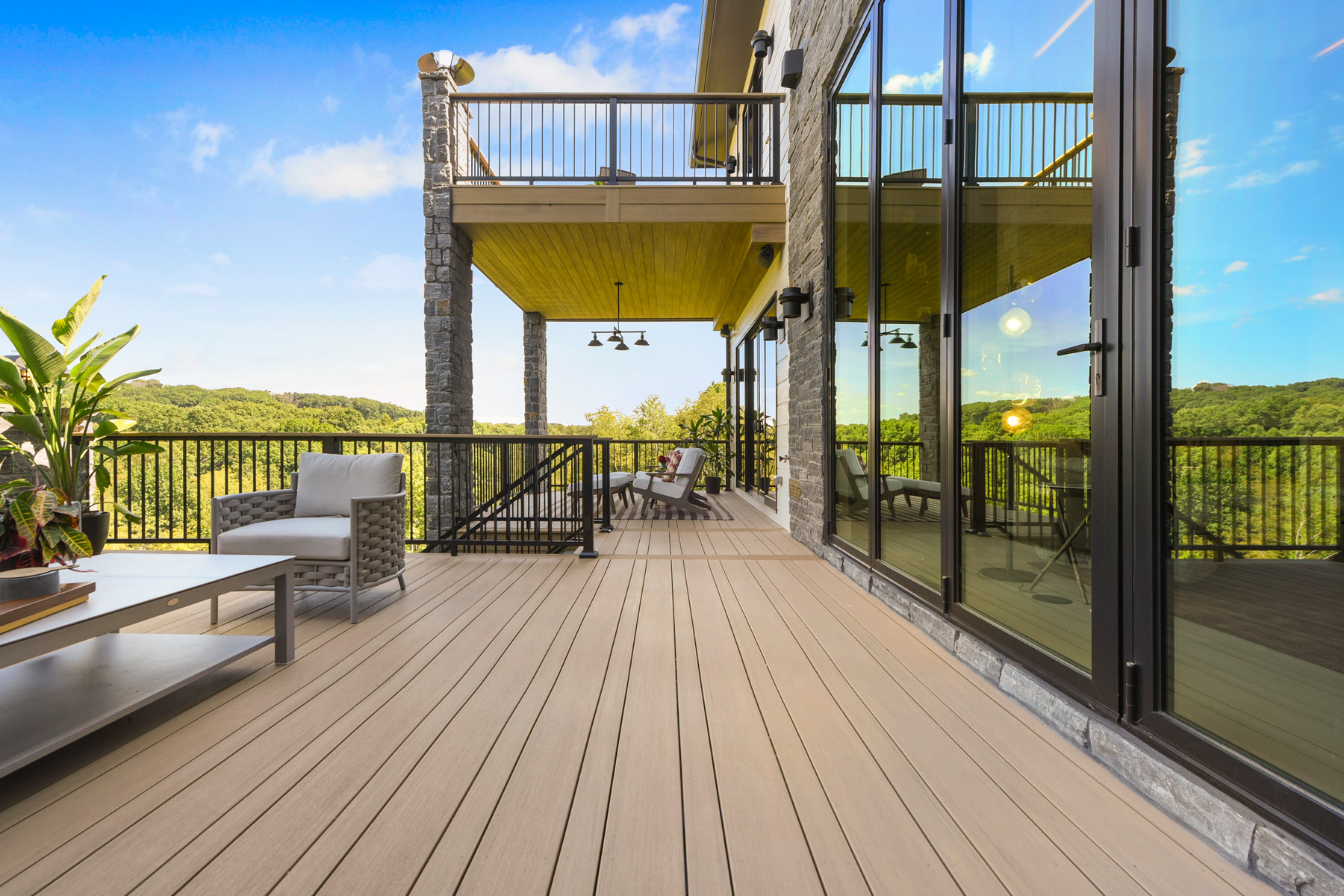
There isn't a single "best" decking material for every homeowner.
If affordability is your primary concern and you're comfortable with routine maintenance, pressure-treated wood remains a dependable choice.
If you're looking for an attractive, durable deck that requires very little upkeep, composite decking offers an excellent balance of performance and value.
If you're building a premium outdoor living space and want the highest level of durability with virtually no maintenance, advanced PVC decking may be the ideal investment.
At Evergreen General Contracting, we help homeowners evaluate their goals, lifestyle, budget, and design preferences before recommending the right materials for every project. Whether you're envisioning a simple backyard deck or a fully covered outdoor living space, we're here to help you build a deck that you'll enjoy for decades to come.
Ready to start planning your new deck? Contact Evergreen General Contracting today to schedule a consultation and begin designing your ideal outdoor living space.


