


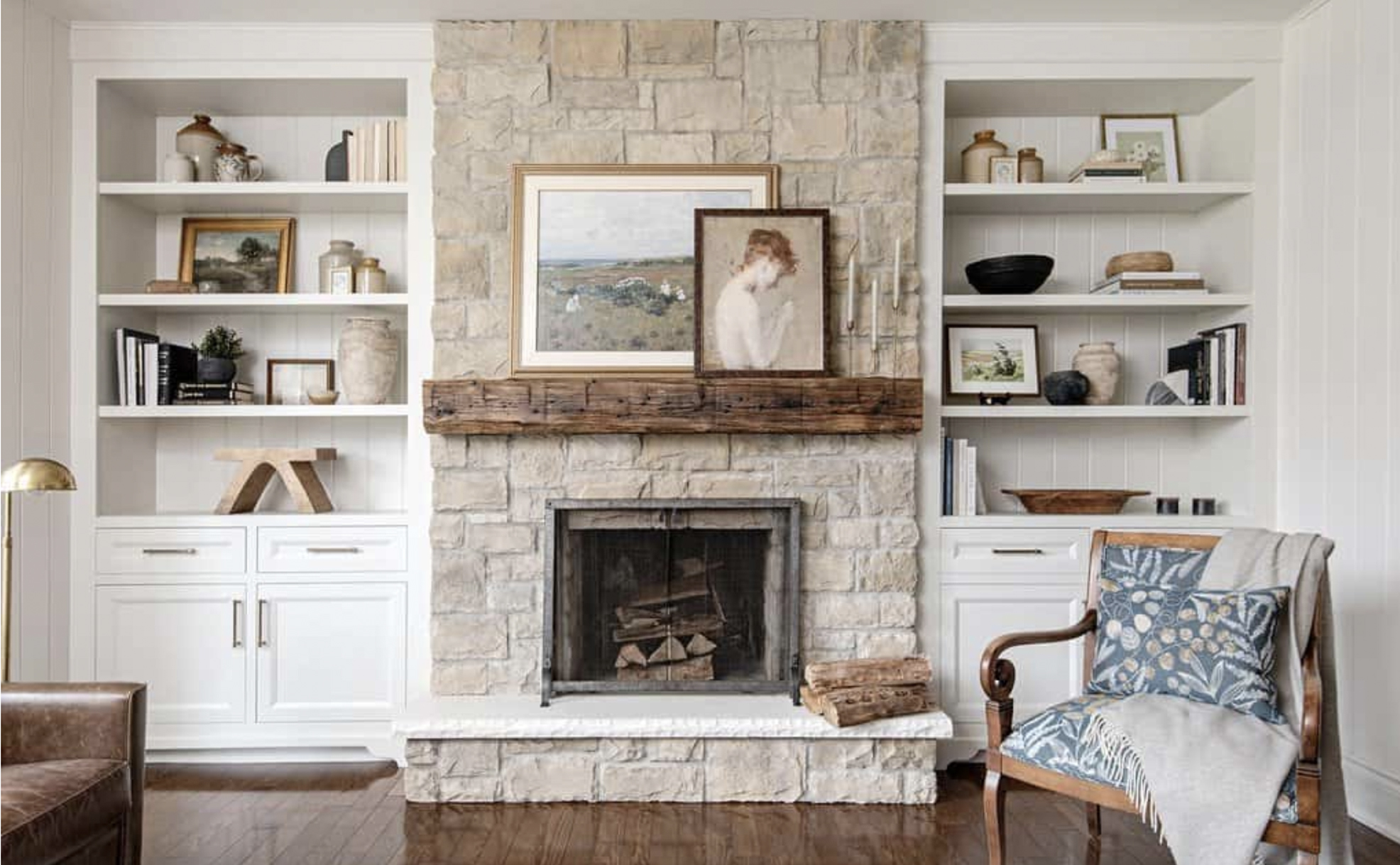
Custom built-ins can completely transform a space. Whether it's a wall of shelving surrounding a fireplace, a beautifully organized mudroom, or a custom entertainment center, built-ins offer a combination of functionality and style that's difficult to achieve with traditional furniture.
But if you've ever received an estimate for custom cabinetry or built-in storage, you may have experienced a little sticker shock.
Why are custom built-ins so expensive?
It'sa fair question, and one we hear from homeowners considering renovations. The answer comes down to several factors, but the biggest is right there in the name: custom.
Unlike mass-produced furniture or standard cabinetry, custom built-ins are designed, fabricated, and installed specifically for your home. That level of personalization requires additional materials, planning, skilled labor, and attention to detail.
Let's take a closer look at what goes into the cost of custom built-ins, why prices can vary so significantly, and when they're worth the investment.
At first glance, a built-in bookshelf or wall of cabinets might not look all that different from something you could purchase at a furniture store. Both provide storage, both can look beautiful, and both serve a similar purpose.
The difference is how they're made.
Mass-produced furniture and cabinetry are manufactured in standard sizes, often in large quantities. Manufacturers can streamline production, purchase materials in bulk, and repeat the same designs thousands of times, which helps keep costs down.
Custom built-ins, on the other hand, are designed for a specific space and a specific homeowner.
They're made to fit the dimensions of your room, accommodate architectural features, and meet your individual storage and design needs. Even two built-ins that look nearly identical in photographs may require very different construction methods depending on the homes they're being installed in.
With custom built-ins, you're not just purchasing a product. You're paying for a design and construction process tailored to your home.
There are several factors that contribute to the cost of custom built-ins, and understanding them can help explain why something that appears relatively simple can carry a substantial price tag.
1. Custom Design and Planning
Before any materials are cut or cabinets are assembled, there's planning to be done.
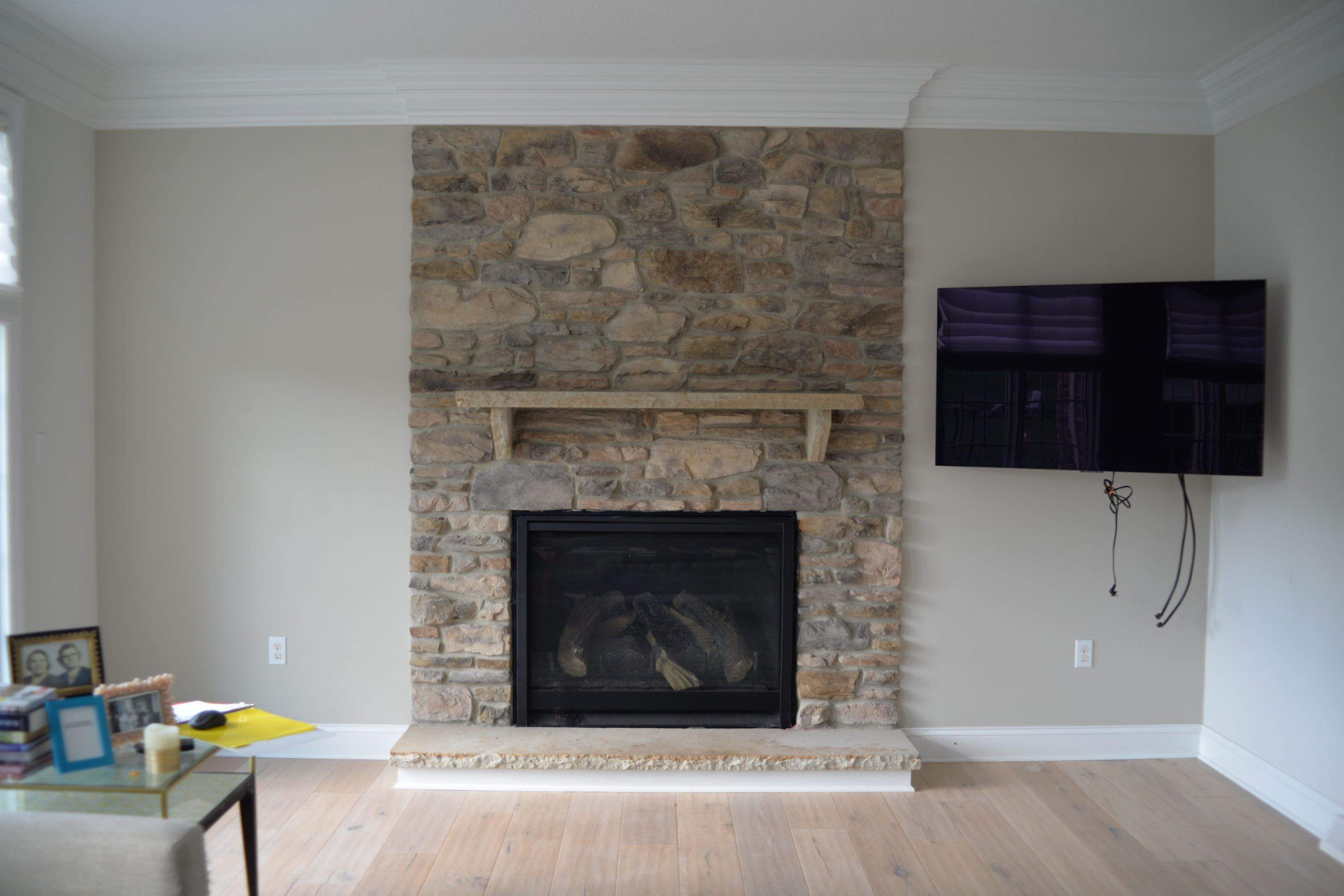
Custom built-ins need to be designed around the exact dimensions of a space, including ceiling heights, wall lengths, windows, doors, outlets, and other existing features.
The design also needs to account for how the built-ins will be used.
For example, a media center may require space for a television, speakers, wiring, and electronic equipment. A mudroom might need a combination of drawers, cabinets, hooks, cubbies, and seating. A home office may require integrated desk space, file storage, and adjustable shelving.
These details all need to be considered before fabrication begins.
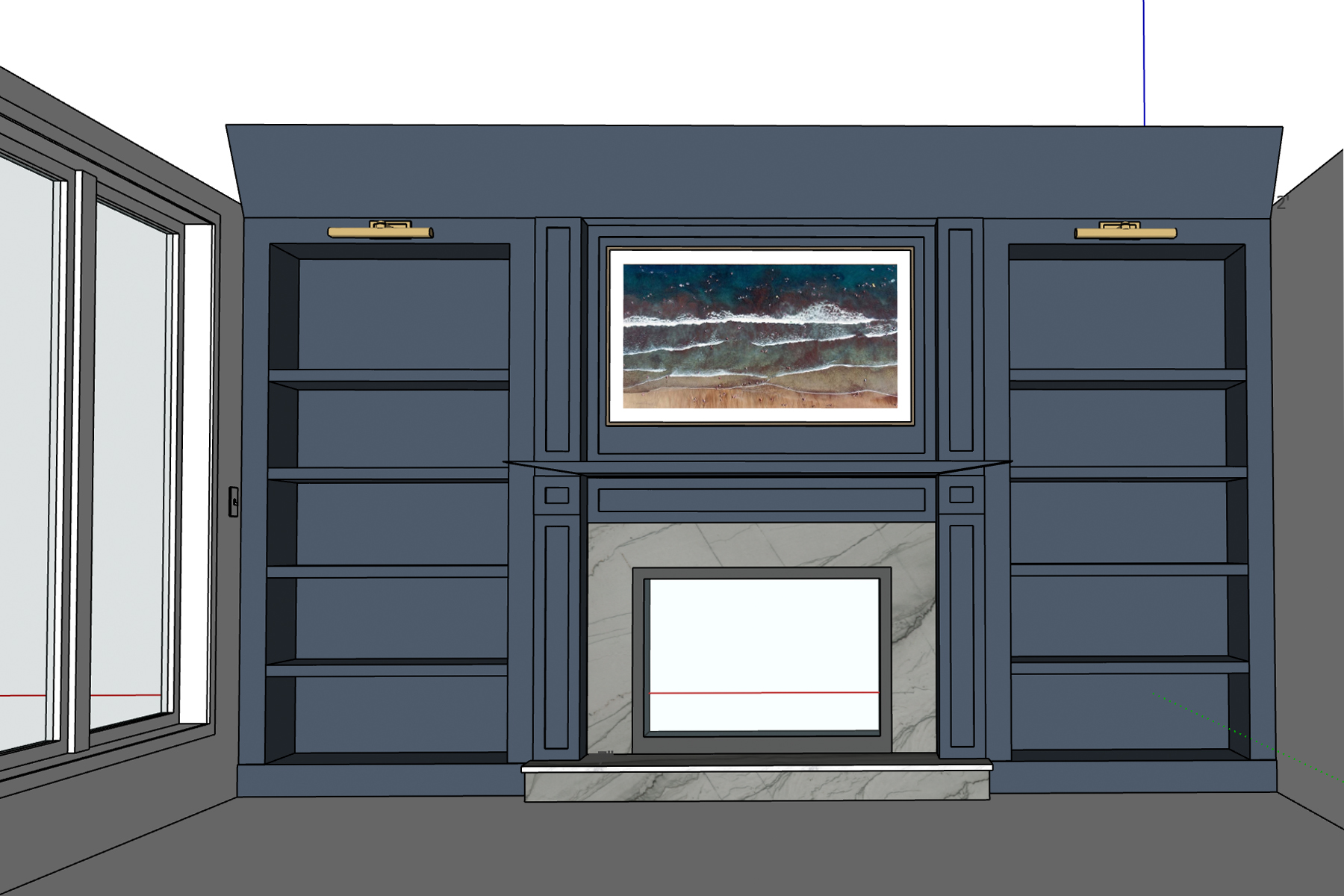
Depending on the complexity of the project, the design process may involve drawings, measurements, material selections, and revisions to ensure the finished product meets the homeowner's expectations.
2. Materials and Hardware
The materials used in custom cabinetry have a significant impact on the overall cost.
Cabinet-grade plywood, solid hardwoods, MDF, veneers, and other materials all have different price points and performance characteristics. The appropriate choice depends on the intended use, desired appearance, and finish.
For example, painted built-ins may use different materials than cabinetry designed to showcase a natural wood grain.
Beyond the cabinet boxes themselves, there are also doors, drawer fronts, shelving, trim, hinges, drawer slides, pulls, and other hardware to consider.
Features like soft-close drawers, concealed hinges, pull-out storage, and integrated lighting can improve functionality, but they also add to the overall investment.
And while some of these individual components may not seem particularly expensive, their costs can add up quickly across an entire wall of cabinetry.
3. Skilled Labor and Fabrication
This is one of the biggest factors behind the cost of custom built-ins.
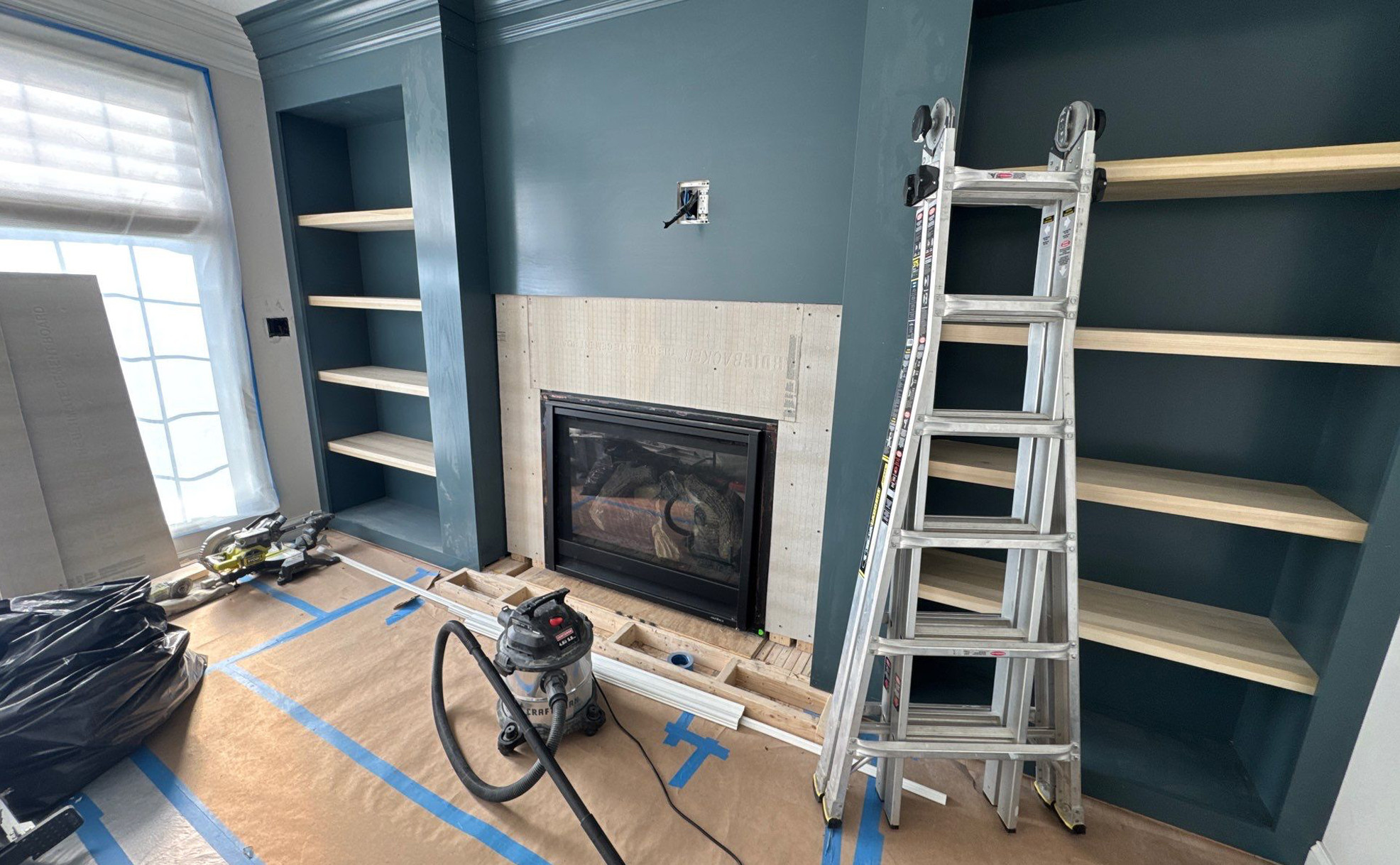
Unlike factory-produced cabinetry, custom pieces require skilled craftspeople to measure, cut, assemble, and finish individual components.
Depending on the project, this may involve constructing cabinet boxes, creating custom doors or drawer fronts, building shelving, fabricating trim, and preparing surfaces for paint or stain.
Precision is especially important. Cabinet doors need to align properly, drawers need to operate smoothly, shelves need to be level, and joints need to be clean and consistent.
These details require experience, specialized tools, and time.
A finished built-in may look simple and seamless, but achieving that appearance often involves hours of careful work that isn't immediately obvious to thehomeowner.
4. Installation and Existing Site Conditions
Here's something many homeowners don't realize: Houses are rarely perfectly square, level, or straight.
Even in newer homes, walls can be slightly uneven, floors may slope, and ceilings may vary in height.
When installing freestanding furniture, these imperfections may not matter much. But when cabinetry is designed to fit tightly against walls, floors, and ceilings, they become important.
Installers may need to scribe materials to match uneven surfaces, make adjustments to ensure everything is level, and create custom trim pieces to achieve a seamless appearance.
A built-in designed to stretch from floor to ceiling or wall to wall requires particularly precise installation.
The goal is to make the finished product look like it has always been part of the home, even when the existing structure presents challenges.
That seamless appearance is often the result of considerable behind-the-scenes work.
5. Finishing Details
The finishing process is another important component of the overall cost.
Painted cabinetry typically requires careful surface preparation, sanding, priming, and multiple coats of an appropriate finish. Stained cabinetry requires additional attention to wood selection, grain consistency, and color.
Depending on the project, components may be finished before installation, on-site, or through a combination of both methods.
Decorative trim, crown molding, integrated lighting, and other architectural details can also increase the amount of labor involved.
These finishing touches may seem minor individually, but they're often what elevate a basic cabinet installation into a polished, custom feature.
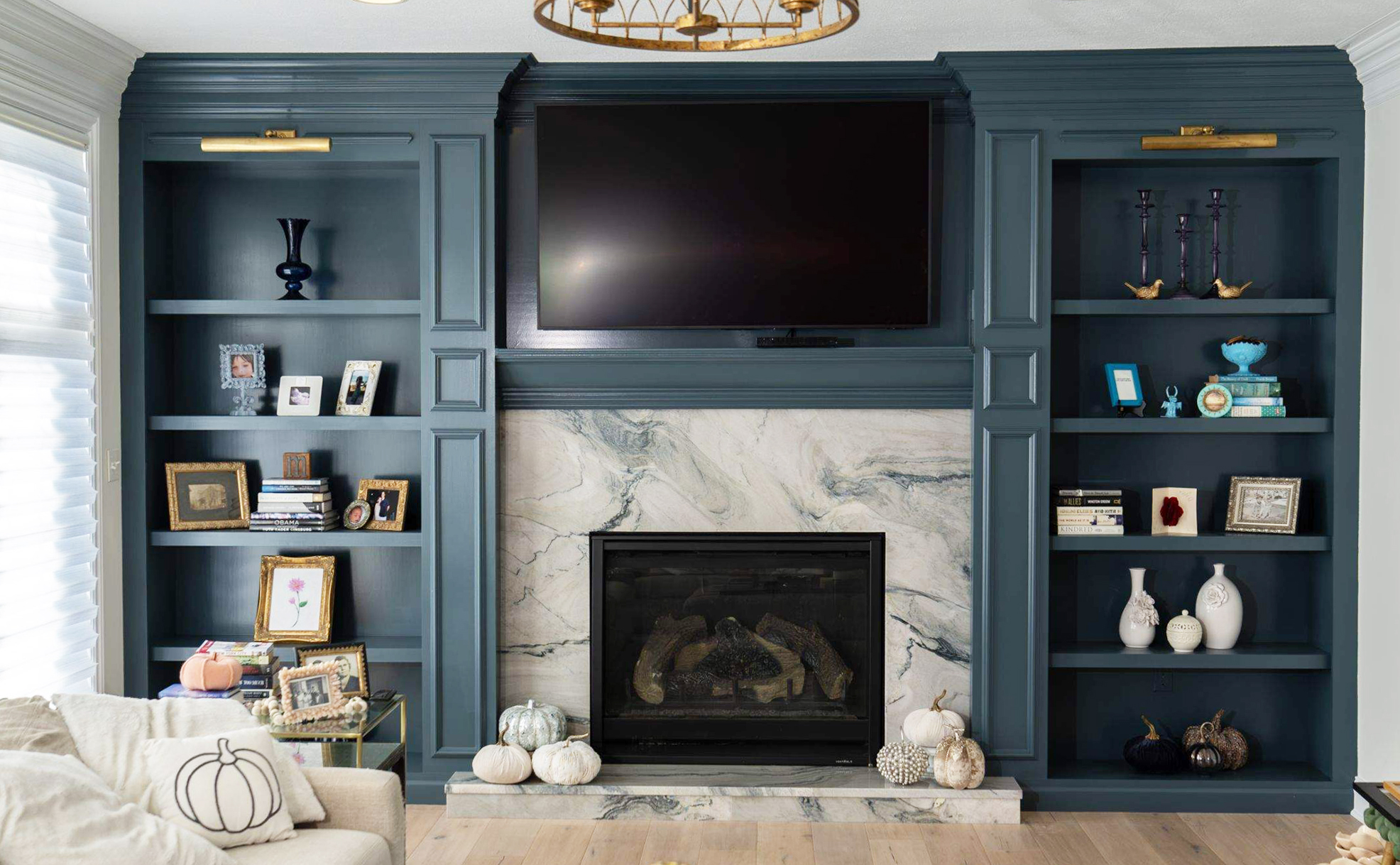
One of the most important things homeowners should understand is that not every built-in needs to be completely custom.
There are several approaches to creating built-in storage, and each offers different advantages.
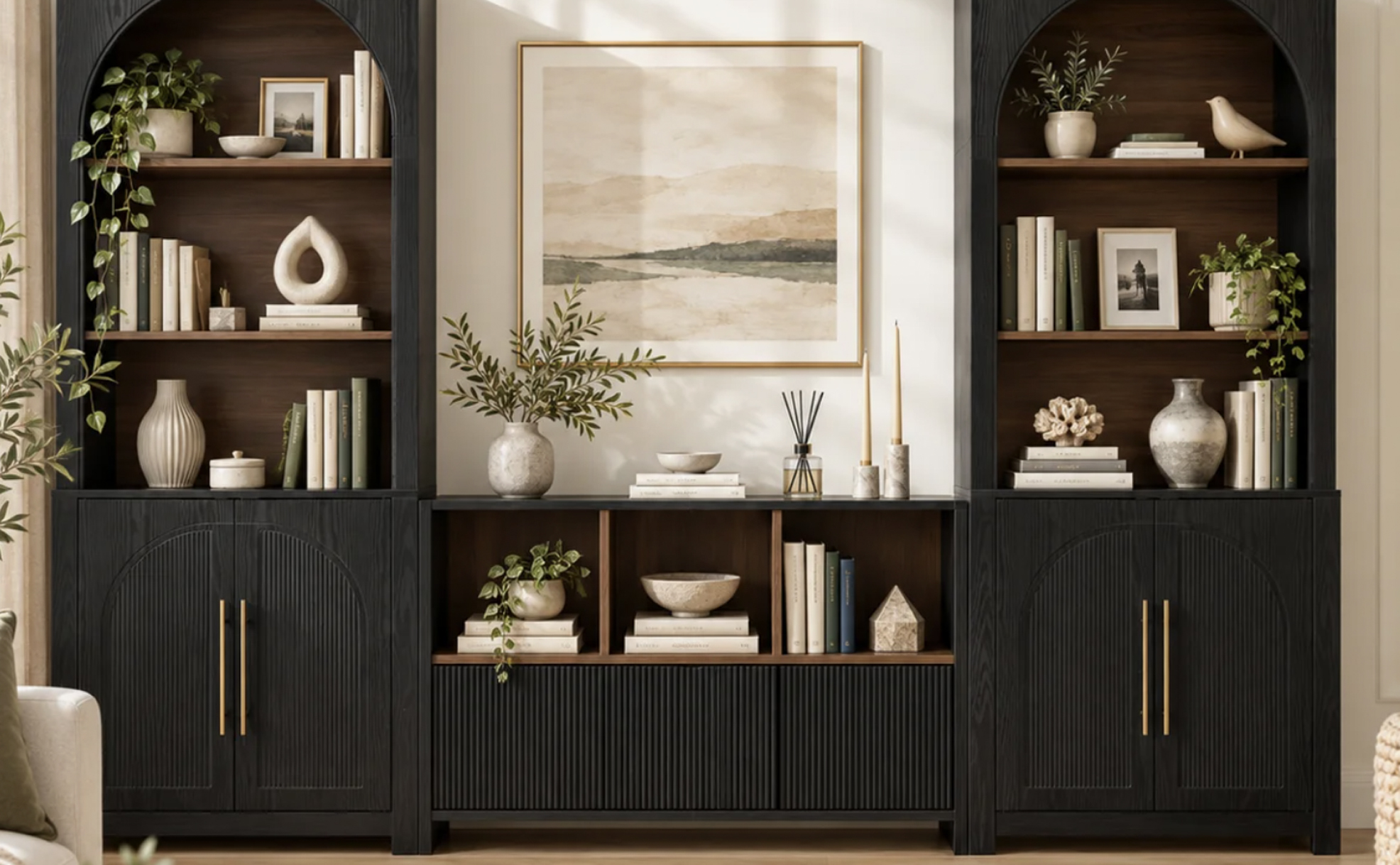
Prefabricated Cabinetry
Prefabricated cabinets and shelving are manufactured in standard sizes and configurations.They're generally the most budget-friendly option and can work well when the dimensions of a space accommodate standard products.
However, homeowners may have fewer choices when it comes to sizing, finishes, and storage configurations.
Semi-CustomCabinetry
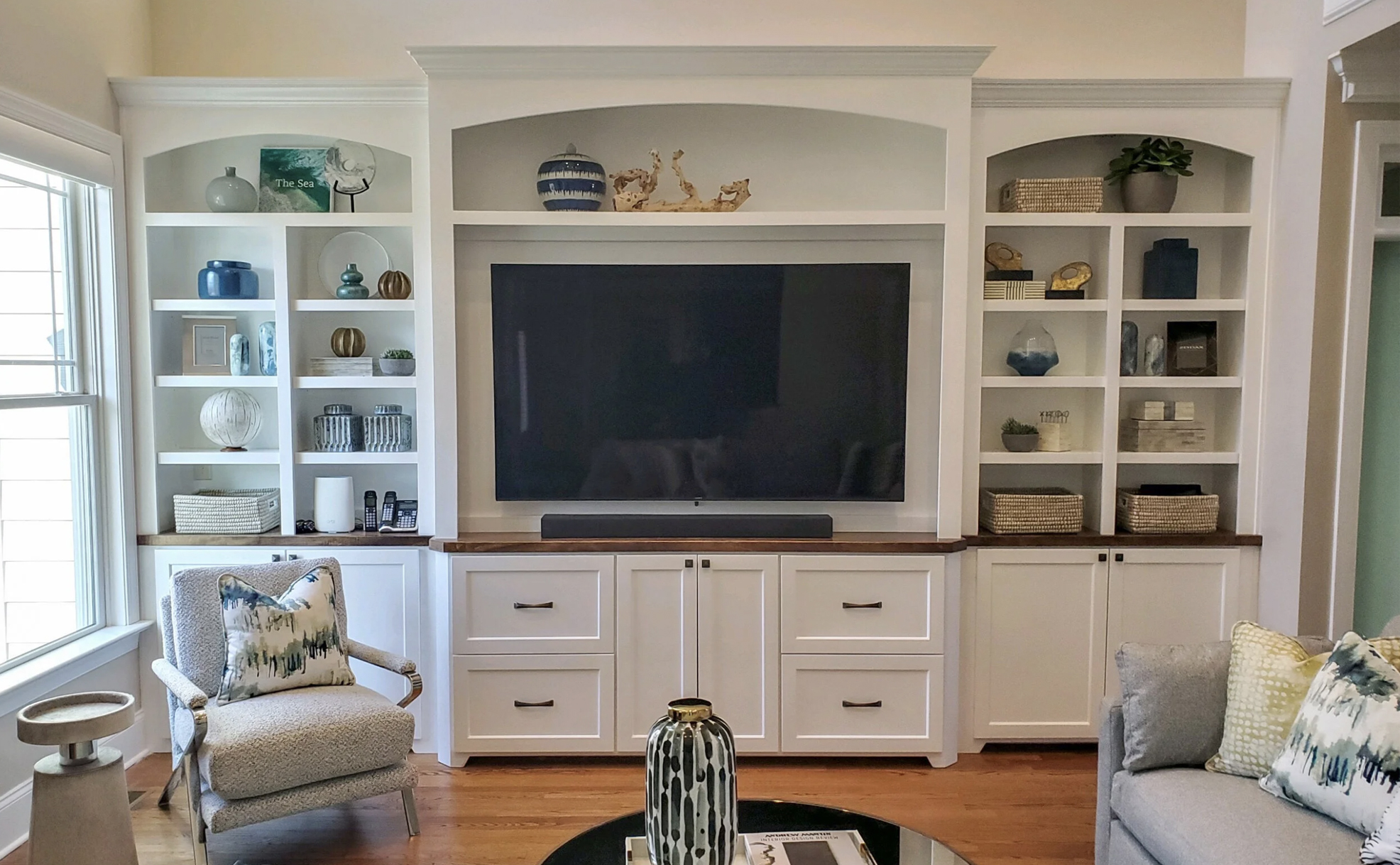
Semi-custom solutions offer a middle ground between prefabricated and fully custom work.
These projects may use standard cabinet boxes with modified dimensions, custom trim, upgraded doors, or other personalized features.
For example, standard cabinets might be combined with custom shelving and trim to create the appearance of a fully integrated wall unit.
This approach can sometimes provide the desired look and functionality at a lower cost than building every component from scratch.
Fully Custom Built-Ins
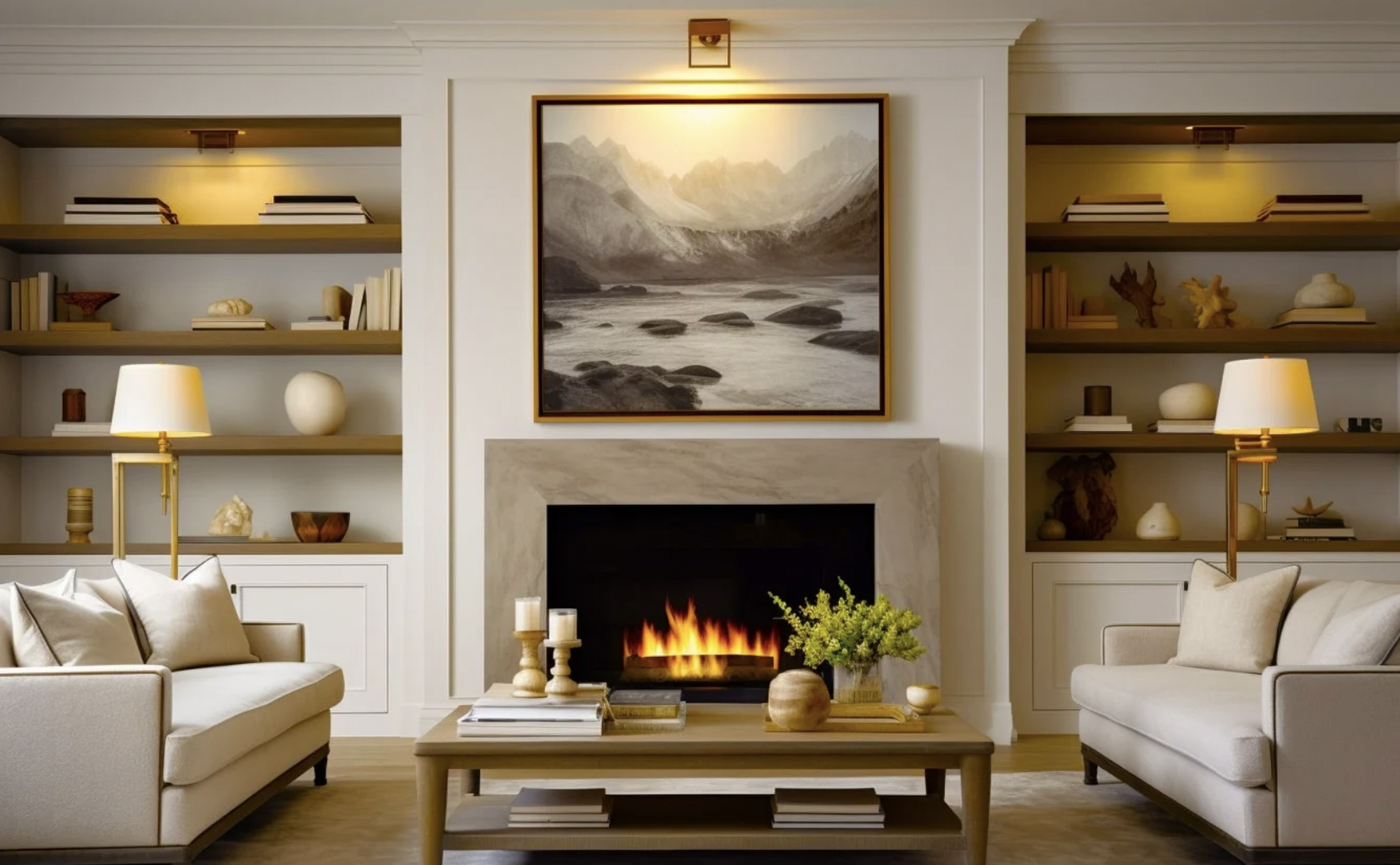
Fully custom cabinetry is designed and fabricated specifically for the space.
This allows for greater flexibility in dimensions, configurations, materials, and design details.
It'soften the best option for unusual spaces, complex layouts, or projects where avery specific appearance or function is desired.
However,that flexibility typically comes with a higher price because more of the workmust be designed and fabricated individually.
Theright approach depends on your space, goals, and budget. A knowledgeablecontractor can help determine where customization will provide the greatest benefit.
While custom built-ins aren't necessary for every room, there are situations where they can provide significant value.
When You Need to Maximize Storage
Custom cabinetry can make use of spaces that traditional furniture might leave underutilized.
Awkwardcorners, narrow walls, unusual ceiling heights, and other challenging areas canoften be transformed into functional storage.
This is particularly beneficial in mudrooms, home offices, and smaller living spaces where every inch matters.
When You Want a Seamless, Integrated Look
One of the biggest aesthetic advantages of custom built-ins is their ability to look like a natural extension of the home's architecture.
Cabinetry surrounding a fireplace, floor-to-ceiling bookshelves, or a built-in entertainment center can create a cohesive appearance that freestanding furniture may not achieve.
Custom trim, coordinated finishes, and precise installation help tie the feature into the surrounding space.
When Your Storage Needs Are Specific
Sometimes standard cabinetry simply doesn't provide the functionality a homeowner needs.
You may want dedicated storage for sports equipment, a combination of open and closed shelving, concealed electronics, or cabinetry designed around a particular collection or hobby.
Custom built-ins allow these details to be incorporated into the design from the beginning.
When You're Investing in a Long-Term Home
For homeowners planning to remain in their homes for years to come, custom built-ins can be a worthwhile investment in everyday comfort and functionality.
Well-designed storage can reduce clutter, improve organization, and make frequently used spaces more enjoyable.
While custom built-ins don't guarantee a specific return on investment when selling a home, quality cabinetry and thoughtful storage solutions can also contribute to a home's overall appeal.
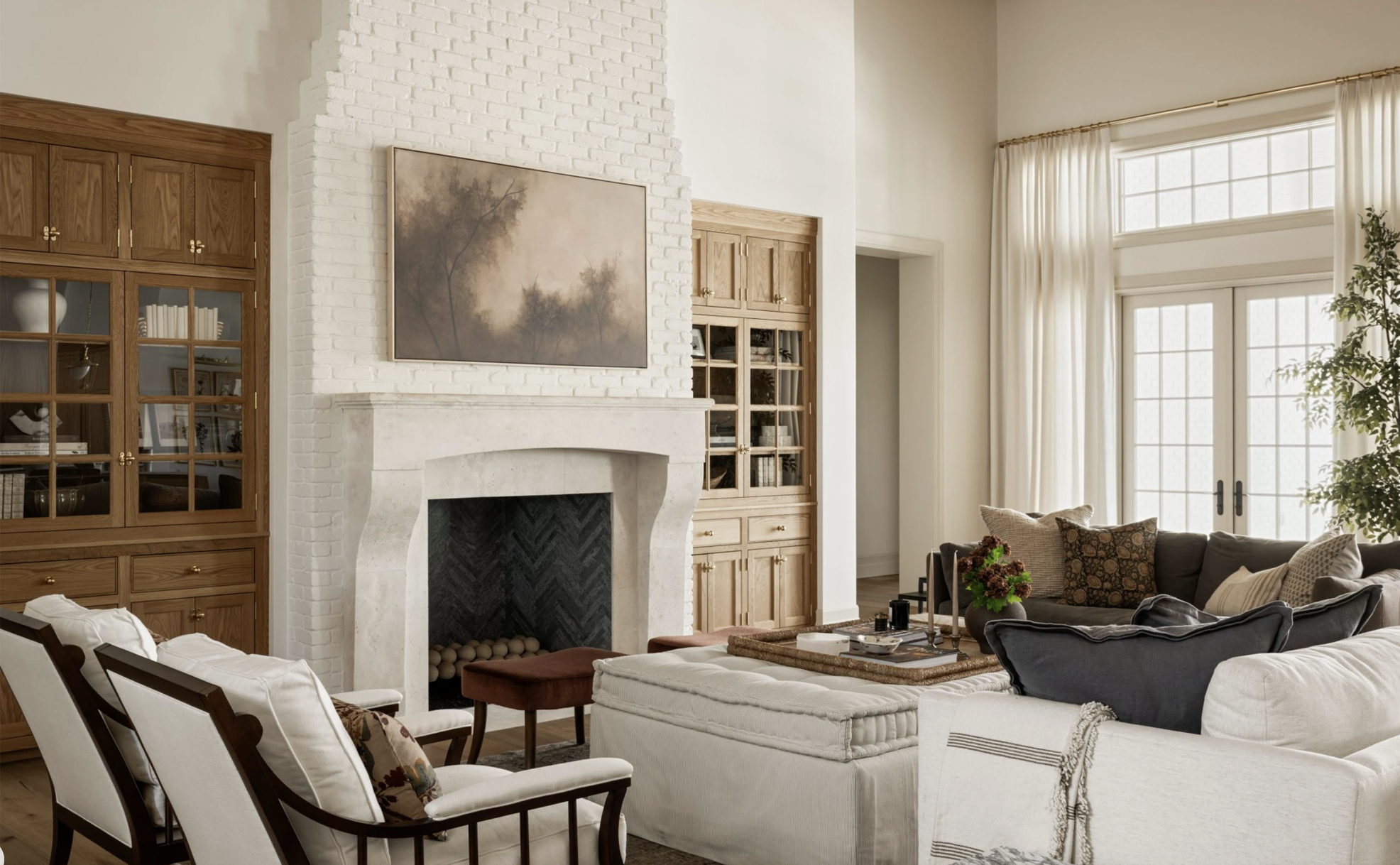
If you love the look of custom built-ins but are concerned about the cost, there may be ways to achieve a similar result without fully custom fabrication.
Consider a combination of stock and custom components.
Standard cabinet boxes can sometimes be paired with custom shelving, trim, or other details to create a more integrated appearance.
Keep the design relatively simple .
Intricate trim, specialty doors, decorative panels, and complicated configurations generally require more labor. A clean, straightforward design can still look beautiful while helping control costs.
Be selective with materials and finishes.
Not every application requires premium hardwoods or specialty finishes. Choosing materials appropriate for the intended use can help balance durability, appearance, and cost.
Limitspecialty features.
Integrated lighting, pull-out accessories, and custom storage mechanisms can be wonderful additions, but they're not always necessary. Prioritizing the features you'll use most can help manage the overall investment.
Focus customization where it matters most.
Sometimes a fully custom solution makes sense for one portion of a project, while more standard components can be used elsewhere.
The key is determining which details will have the greatest impact on how the space looks and functions.
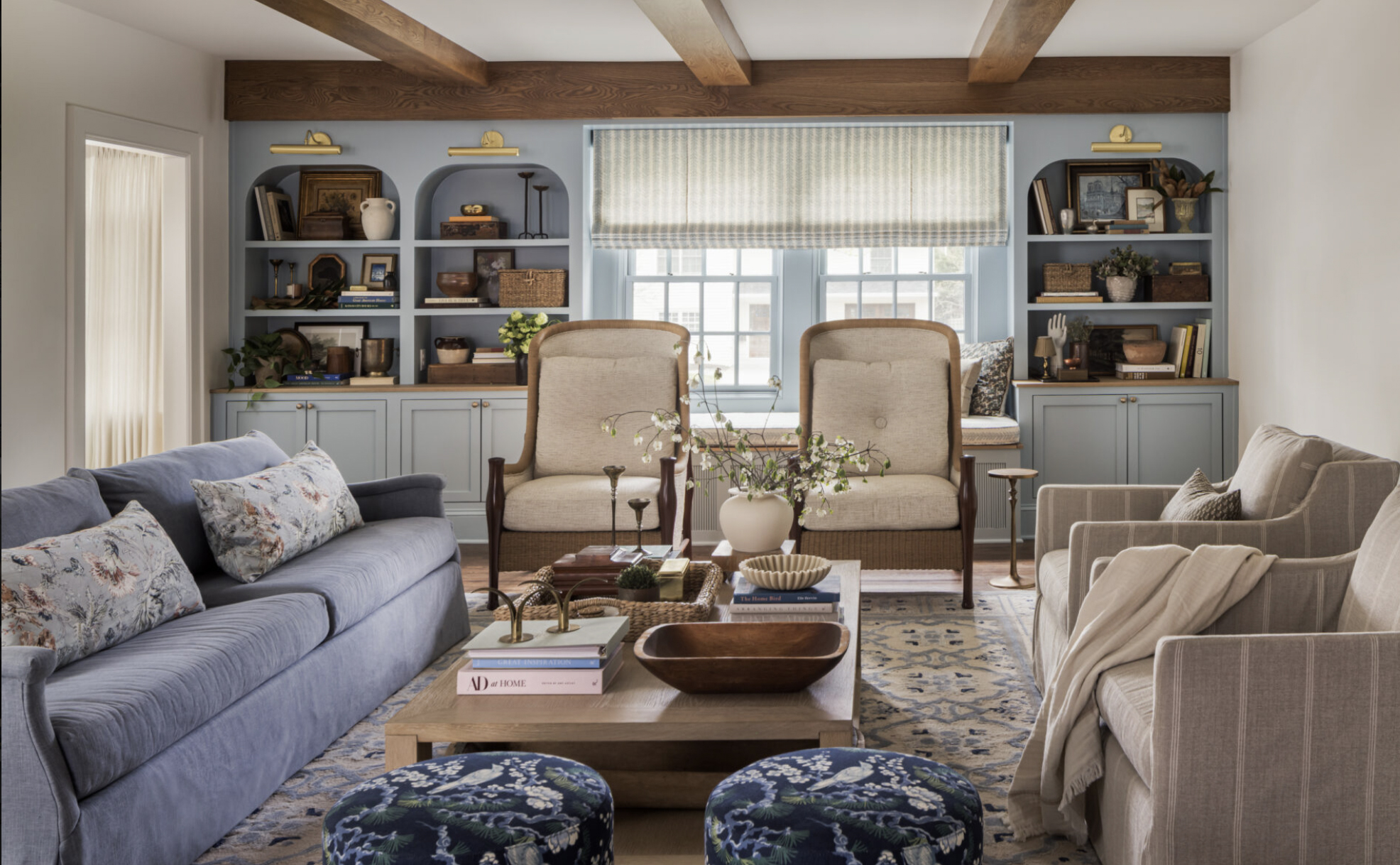
So, why are custom built-ins so expensive?
Because there's much more involved than simply purchasing and installing cabinetry.
You're paying for thoughtful design, quality materials, skilled craftsmanship, precise installation, and the ability to create something specifically suited to your home.
What may look like a straightforward wall of shelves or cabinets often represents hours of planning, fabrication, finishing, and careful installation.
And while custom built-ins aren't the right solution for every homeowner or every budget, they can offer a level of functionality, personalization, and architectural integration that's difficult to achieve with off-the-shelf alternatives.
The important thing is understanding your options and choosing an approach that makes sense for your space and how you plan to use it.
Considering Custom Built-Ins for YourHome?
At Evergreen General Contracting, we help homeowners throughout the North Pittsburgh area create spaces that are as functional as they are beautiful.
Whether you're planning a mudroom renovation, a finished basement, a living room update, or a larger home remodeling project, thoughtful storage and built-in features can make a significant difference in the finished result.
Our team can help you explore your options, understand the factors that influence cost, and determine which solutions make the most sense for your project.
Readyto discuss your renovation? Contact Evergreen General Contracting to start the conversation.


